
David elm
Ulmus davidiana Planch. x Ulmus parvifolia Jacq.
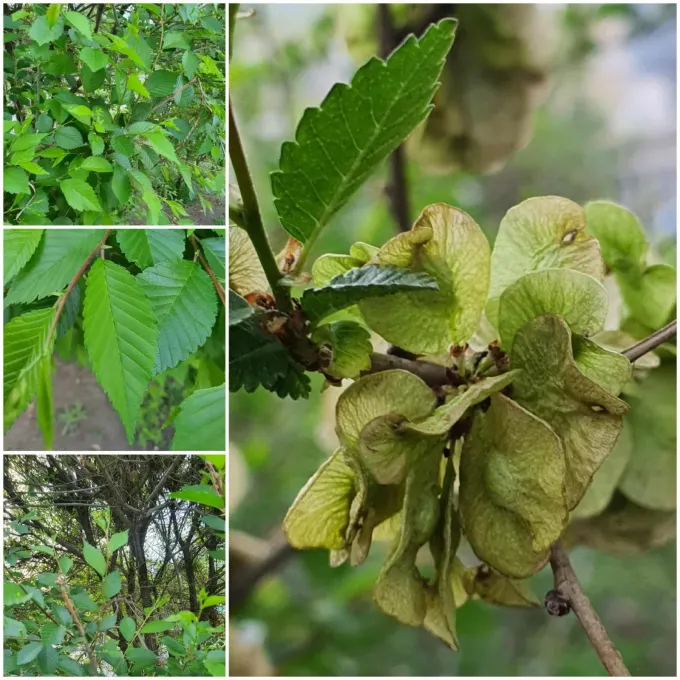
Description
Sowing dates
David elm seeds typically ripen in late spring and should be sown immediately, as they possess a very short period of viability and lose germination capacity quickly.
Cold stratification of seeds in moist substrate for several weeks is recommended to overcome dormancy and improve the uniformity of germination rates.
Nursery seedlings are best transplanted during the dormant season, either in early spring or late autumn, to reduce transpiration stress on the root system.
Spacing for plantations should be chosen based on the intended purpose, whether for timber production, windbreaks, or ornamental landscaping purposes.
Frequent irrigation is necessary for young saplings during the first growing season to ensure deep root development and successful establishment in the field.
Growing requirements
The David elm belongs to the Ulmaceae family and is a robust deciduous tree known for its significant adaptability to various soil and climate conditions.
The species thrives in deep, fertile soils but displays high tolerance for compacted substrates and alkaline soil conditions, making it useful in urban environments.
It prefers full sun exposure but can tolerate partial shade, which allows it to integrate successfully into multi-layered forest plantation systems.
The tree exhibits high cold hardiness, allowing it to survive extreme winter temperatures found throughout its native range in East Asia.
Its natural habitat includes diverse landscapes, from river valleys to hillside forests, reflecting its biological versatility and ecological importance.
Main diseases and pests
Like many species in the genus Ulmus, the David elm is susceptible to Dutch elm disease, a vascular wilt caused by Ophiostoma fungi species.
Bark beetles act as primary vectors for disease transmission, necessitating strict management of dead or dying wood within the vicinity of healthy trees.
Leaf-eating insects, such as elm leaf beetles, can cause localized defoliation, which stresses the tree and reduces its overall photosynthetic capacity.
Integrated pest management strategies, including the use of systemic fungicides and pheromone traps, are critical for maintaining healthy elm populations.
Regular pruning of dead branches and maintaining high tree vigor are the most effective ways to bolster natural resistance against common pathogens.