
David elm
Ulmus davidiana Planch. x Ulmus minor Mill.
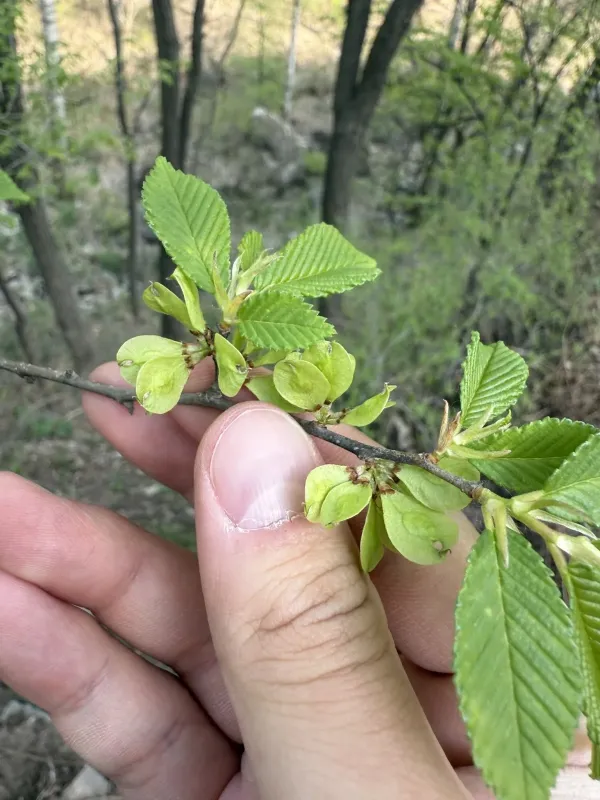
Description
Growing requirements
The David elm (Ulmus davidiana × Ulmus minor) is a robust hybrid species belonging to the Ulmaceae family. It is highly regarded in both forestry and landscape architecture for its rapid growth rate and structural durability.
This tree originates from East Asia and parts of the temperate Eurasian region. It is typically found in deep, fertile alluvial soils, demonstrating a high tolerance for varying moisture levels, which makes it versatile for different landscape designs.
Regarding climate requirements, the David elm is exceptionally hardy, capable of withstanding cold winters and moderate summer heat. To thrive, it requires a location with plenty of sunlight and protection from heavy, stagnant wind patterns during early establishment.
Cultivation practices include deep soil preparation to encourage taproot development, followed by consistent irrigation in the first few years of growth. Applying organic mulch is beneficial for retaining soil moisture and suppressing competitive weeds.
In terms of agricultural use, this species is frequently deployed for shelterbelts and soil erosion control projects due to its dense, wide-reaching root network. Its timber is also valued for its toughness and resistance to splitting.
Main diseases and pests
Dutch elm disease (DED), caused by Ophiostoma fungi, is the primary threat to this species, often resulting in widespread canopy decline and eventual tree mortality.
Elm leaf beetles pose a significant risk by feeding on the foliage, which reduces the tree's photosynthetic capacity and makes it more vulnerable to secondary infections.
Bark beetles frequently target the trunks of David elm, creating galleries that disrupt nutrient transport and introduce pathogens directly into the sapwood.
Integrated pest management is essential, involving the removal of diseased wood, the use of biological controls, and chemical intervention when infestation levels become critical.
Strategic planting, including the selection of resistant cultivars and ensuring adequate spacing between individual trees, remains the best defense against disease outbreaks in commercial plantations.