
David elm
Ulmus davidiana Planch.
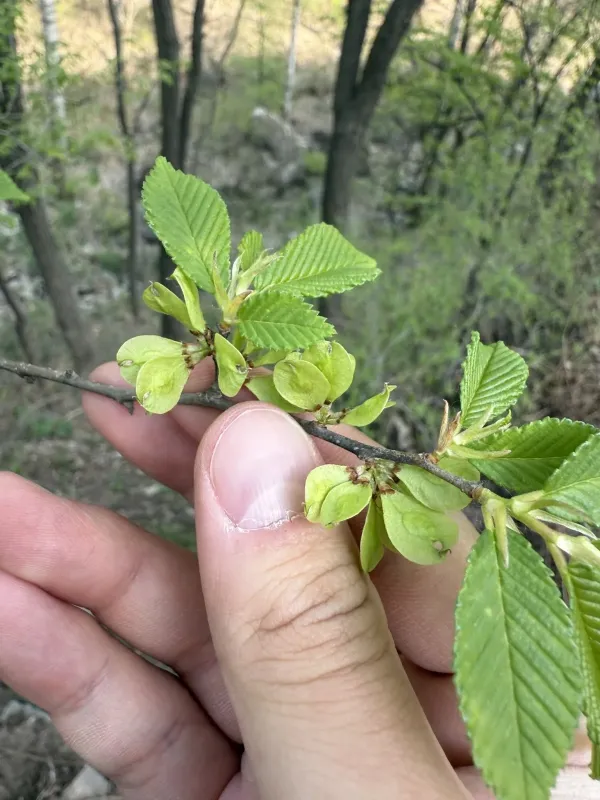
Description
Growing requirements
David elm (Ulmus davidiana Planch.) belongs to the Ulmaceae family. It is a robust deciduous tree native to regions of East Asia, widely recognized for its ecological importance.
The tree thrives in deep, fertile, and well-drained soils. While it prefers moist conditions, it is known for its ability to adapt to various soil types and environmental gradients.
It exhibits remarkable cold hardiness, allowing it to survive in harsh climatic zones. As a sun-loving species, it performs best when provided with sufficient sunlight for optimal canopy development.
Agrotechnical maintenance focuses on young tree care, including regular watering and mulch application to retain soil moisture. Pruning should be performed to maintain structural integrity.
In terms of economic value, Ulmus davidiana is highly regarded in forestry for reforestation projects and shelterbelt establishment. Its wood is durable, and the tree provides significant shade in urban planning.
Main diseases and pests
The most significant threat to David elm is Dutch Elm Disease (DED), a fungal infection spread by bark beetles. Early detection and sanitation pruning are essential for disease control.
Additionally, various leaf beetles and defoliating caterpillars can cause substantial damage during outbreak years. Integrated pest management strategies are recommended to keep the population density under control.