
Cedar elm
Ulmus crassifolia Nutt.
Description
Growing requirements
The Cedar elm (Ulmus crassifolia) is a deciduous tree species from the Ulmaceae family, native to the south-central United States and Mexico. Known for its remarkable resilience, it is widely used in landscape architecture, roadside plantings, and windbreaks due to its ability to thrive in poor, rocky, or shallow soils.
Climate requirements for this species are relatively broad. It is notably drought-tolerant once established and performs best in full sun. Cedar elms are known for their tolerance to various moisture levels, successfully growing in areas that may experience seasonal flooding or periods of significant heat and dry air.
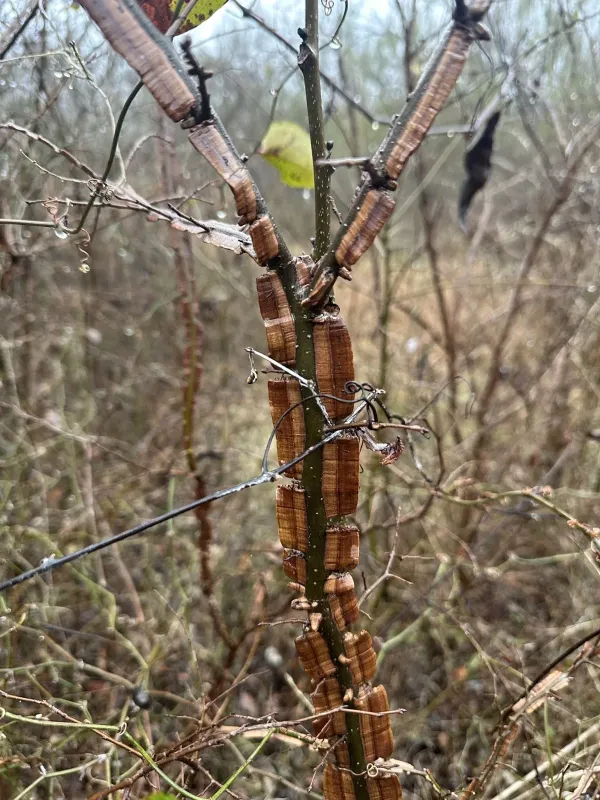
Botanically, Ulmus crassifolia is identified by its small, rough, dark green leaves and the presence of corky, wing-like ridges on its branches. These unique bark features provide significant winter interest in the landscape, distinguishing it from other elm species that have smoother stems.
In terms of economic use, the wood of the Cedar elm is very heavy, hard, and tough. It has historically been utilized for creating furniture, tool handles, and fence posts. Beyond its timber value, it is a key species for urban forestry because of its resistance to the stressors common in city environments.
Cultivation practices should focus on slow, steady development. During the early stages, young trees require moderate irrigation and a weed-free area around the base to prevent competition for nutrients. Minimal pruning is usually required unless for removing deadwood or correcting structure.
Main diseases and pests
The primary threat to any elm species, including the Cedar elm, is Dutch elm disease (DED), caused by the Ophiostoma fungus. While Ulmus crassifolia has a better track record of survival compared to other elms, it is not immune, and infection can result in branch dieback or total loss of the tree.
Elm bark beetles are the primary vectors for DED. These beetles feed on young twigs and tunnel into the bark, making them the most dangerous pest to monitor. Maintaining tree vigor is the most effective biological defense against these pests, as healthy trees can better compartmentalize fungal attacks.
Aphids and various leaf-feeding caterpillars can cause cosmetic and minor physiological damage. Severe infestations may lead to premature leaf drop, which reduces the tree's energy storage for the following season. Regular inspection is recommended to catch pest populations before they expand.
Root rot, specifically caused by soil-borne pathogens like Phytophthora, can occur in poorly drained, heavy clay soils. Ensuring proper soil aeration and avoiding planting in low-lying spots that stay saturated for extended periods are essential preventative measures.
Integrated Pest Management (IPM) strategies for the Cedar elm include monitoring for early symptoms of wilting, prompt removal of dead or infested branches, and the use of targeted insecticide applications when necessary to control vector insect populations.