
Slippery elm
Ulmus rubra Muhl.
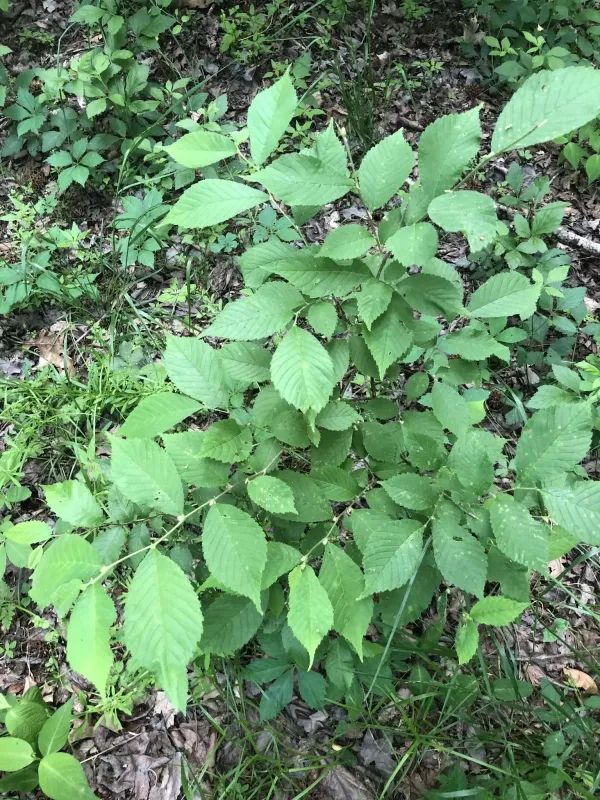
Description
Sowing dates
Seed propagation for the Slippery elm requires strict adherence to timing, as seeds lose viability rapidly after maturation. The optimal time for sowing is spring, immediately after the snow melts, when soil temperatures rise to 5–10 degrees Celsius.
To improve germination, seeds collected in late spring should undergo short-term stratification in a cool environment. In nurseries, they are sown at a depth of no more than 1–2 centimeters in prepared beds with a light, nutrient-rich substrate.
Seedlings typically emerge simultaneously if constant moisture is maintained in the topsoil layer. During the first year of life, seedlings develop slowly and require regular weeding and protection from competing vegetation.
Transplanting saplings to a permanent location is best performed in early spring before active sap flow or during the dormant autumn period. The root system must be protected with a soil ball to ensure successful establishment.
Vegetative propagation using green cuttings in the summer under a plastic cover is an effective method. This approach helps preserve genetic traits and accelerates the production of planting stock for reforestation projects.
Growing requirements
Slippery elm belongs to the Ulmaceae family and naturally prefers deep, fertile soils rich in organic matter. The tree thrives on alluvial soils in river floodplains, where the water table ensures consistent moisture availability.
The tree is light-demanding, though it can tolerate moderate shade when young. Adult specimens require open, sunny areas to achieve full canopy development and maximum biomass production throughout their lifecycle.
Climate requirements are determined by its origin in the eastern regions of North America. Slippery elm possesses high cold hardiness, successfully surviving harsh winters, but remains sensitive to drastic temperature fluctuations in early spring.
Optimal growth requires protection from strong winds that can damage the bark and buds. It is crucial to avoid waterlogged sites with stagnant water, as these conditions significantly increase the risk of root rot and overall plant decline.
- Optimal soil pH: 6.0 to 7.5.
- Moisture needs: High during the early years of development.
- Pruning tolerance: Responds well to formative pruning.
- Light exposure: Prefers full sun.
- Soil type: Loam or fertile soils with good aeration.
Main diseases and pests
The primary threat to all members of the genus Ulmus, including the Slippery elm, is Dutch elm disease caused by the fungus Ophiostoma. The infection is spread by bark beetles that tunnel into the tree's wood.
Preventing the spread of the disease requires the timely removal of infected branches and systematic sanitation of groves to remove deadwood. Monitoring and controlling populations of bark beetles is essential for protecting healthy stands.
Defoliating insects, such as the elm leaf beetle, can cause significant damage during years of population outbreaks. Their feeding activity reduces the tree's aesthetic value and impairs photosynthetic processes, hindering growth.
Powdery mildew often affects young foliage when air humidity is high and wind circulation is poor in dense plantings. Applying sulfur-based fungicides can help suppress the pathogen during the initial stages of infection.
Root rots are often a consequence of poor cultural practices, especially when grown in heavy or poorly drained soils. Maintaining proper soil aeration and adhering to irrigation protocols helps minimize the risk of root system mortality.