
Japanese elm
Ulmus davidiana Planch. var. japonica (Sarg. ex Rehder) Nakai
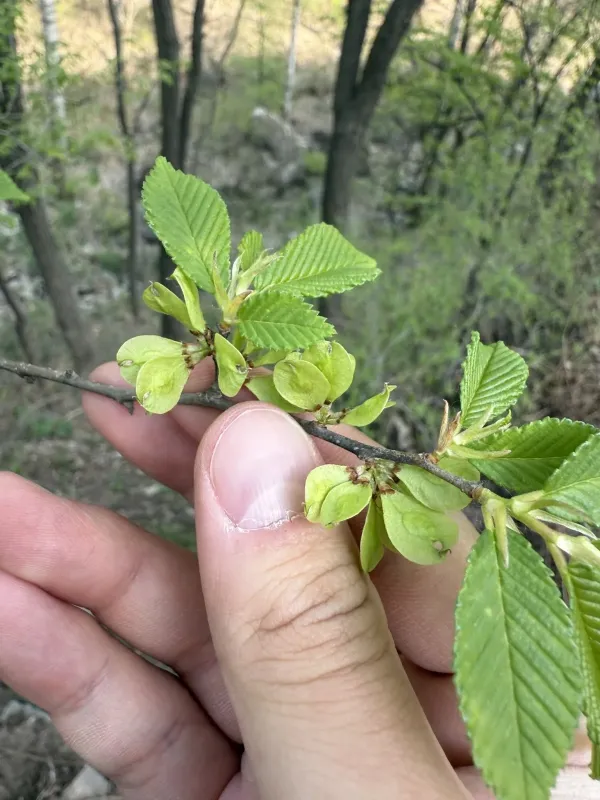
Description
Sowing dates
The sowing of Japanese elm seeds is typically carried out in the spring immediately following harvest, as seeds exhibit a very short shelf life and quickly lose viability.
Stratification of seeds at low temperatures for several weeks is highly recommended to break dormancy and ensure a uniform germination rate across the planting bed.
Seeds should be planted at a shallow depth of approximately 1 to 2 centimeters in a well-prepared seedbed that is friable and free of competing weeds.
Proper soil moisture must be maintained throughout the initial growth phase, as young seedlings are particularly sensitive to both drought and prolonged waterlogging.
Nursery practices often involve spacing seedlings adequately to prevent overcrowding, which allows for better air circulation and reduces the incidence of fungal diseases.
Growing requirements
The Japanese elm, belonging to the Ulmaceae family, is a valuable timber species native to East Asia, exhibiting strong adaptability to diverse ecological niches.
It thrives in deep, fertile, and well-drained alluvial soils, commonly found along riverbanks and mountain valleys where moisture is consistently available.
The tree is noted for its exceptional winter hardiness, allowing it to withstand severe climatic conditions, including harsh freezing temperatures in northern climates.
Although it prefers full sunlight, the species shows remarkable tolerance to partial shading during its juvenile stages, which is beneficial in reforestation programs.
Agricultural management requires careful site selection, avoiding poorly drained or overly compacted soils that might impede the development of its root system.
Main diseases and pests
Dutch elm disease, caused by specific fungal pathogens, remains the most significant threat to the health and longevity of Japanese elm plantations worldwide.
Bark beetles act as primary vectors for these pathogens, making the management of insect populations crucial for protecting the integrity of the stands.
Integrated pest management strategies should include the periodic removal of dead wood and the maintenance of vigorous tree health to minimize susceptibility.
Leaf-feeding insects, such as beetles and caterpillars, can cause significant defoliation, particularly in young trees, potentially stunting their overall growth.
Consistent monitoring and early detection of symptoms are essential to implementing effective control measures before a pathogen outbreak becomes uncontrollable.