
European white elm
Ulmus laevis Pall.
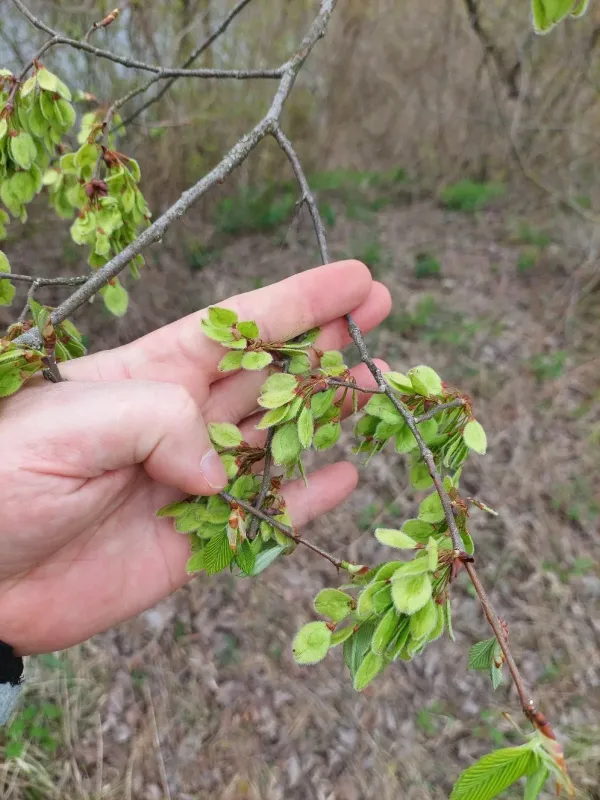
Description
Growing requirements
European white elm (Ulmus laevis Pall.) is a deciduous tree belonging to the Ulmaceae family. It is native to European river valleys and floodplains, where it thrives in moist, alluvial soils.
This species requires deep, fertile, and well-drained soils to reach its full potential. While it exhibits a high tolerance for waterlogging compared to other elms, it prefers consistent moisture levels.
Botanically, Ulmus laevis is characterized by its distinct, fringed samaras and asymmetrical leaf bases. It is a long-lived species capable of forming large, spreading crowns in open spaces.
The climate requirements include a temperate regime with sufficient humidity. The tree is cold-hardy, making it suitable for reforestation and urban landscaping in diverse regions.
Standard agrotechnical practices for this species include mulching the root zone to retain soil moisture and providing structural pruning during the early development phase to ensure a strong trunk.
Main diseases and pests
The most significant threat to Ulmus laevis is Dutch Elm Disease (DED), caused by fungi of the Ophiostoma genus. This disease is largely spread by bark beetles and can be fatal to mature trees.
Insect pests, such as the elm leaf beetle, represent a major foliage threat. These beetles skeletonize the leaves, severely compromising the tree's ability to photosynthesize effectively.
Scale insects and aphids can cause indirect damage by sucking sap and secreting honeydew, which leads to secondary fungal issues and weakened tree vigor.
Effective management requires strict sanitation: removing deadwood and infected branches is essential to prevent beetle breeding grounds from spreading the DED pathogen.
Integrated pest management, including the use of systemic fungicides where legal and appropriate, is recommended for high-value ornamental specimens to mitigate the risk of infection.