
Wych elm
Ulmus glabra Huds.
Description
Growing requirements
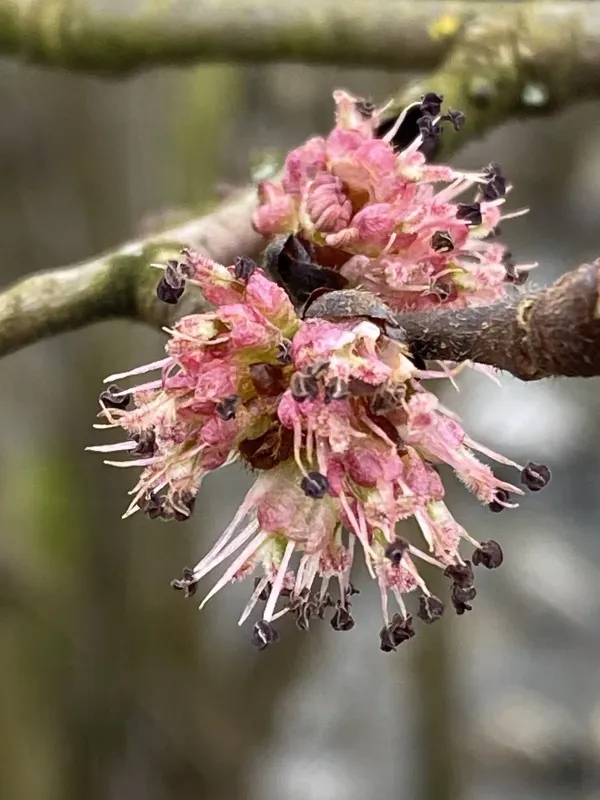
The Wych elm (Ulmus glabra) is a prominent deciduous tree species belonging to the Ulmaceae family. It is native to Europe and is widely recognized for its broad, spreading crown and its significant role in forest ecosystems.
This species requires deep, fertile, and well-drained soils to reach its full potential. While it can adapt to various conditions, it performs best in rich loam where moisture is consistently available but not stagnant, avoiding heavy clays or extremely sandy ground.
In terms of light, the Wych elm is shade-tolerant during its juvenile stage, allowing it to regenerate successfully under the canopy of more mature stands. As it reaches maturity, however, it requires more exposure to sunlight to maintain its vigor.
The climate requirement for this species is essentially temperate. It is relatively frost-hardy and thrives in areas with high atmospheric humidity. It is less suitable for arid regions with prolonged summer droughts, as these conditions significantly increase its susceptibility to environmental stress.
Agricultural management for Wych elm in forestry includes early pruning to establish a clear trunk and regular monitoring of the soil nutrient levels. It is a highly valued tree for shelterbelts, ornamental planting in large estates, and native broadleaved woodland restoration.
Main diseases and pests
The most significant threat to the Wych elm is Dutch Elm Disease (DED), caused by the Ophiostoma fungus. This disease is vectored by elm bark beetles and has historically devastated populations across Europe, making disease management a top priority.
Pest issues include the elm leaf beetle, which can cause severe defoliation during the summer months. Aphids and various types of gall mites can also infest the leaves, although these usually pose a lesser threat compared to DED.
Management strategies involve rigorous sanitation practices, such as the immediate removal and destruction of infected timber to limit beetle breeding grounds. This is the most effective way to slow down the spread of the fungal pathogen within a stand.
Integrated Pest Management (IPM) is recommended, utilizing biological controls where possible and targeted pesticide applications only when necessary. Maintaining the overall vitality of the tree through correct soil moisture management is a key preventative measure.
Choosing resistant varieties or keeping records of the tree's health helps in early detection of infestations. It is advised to avoid unnecessary pruning during the flight period of bark beetles to prevent infection via fresh cuts.