
Siberian elm
Ulmus pumila L.
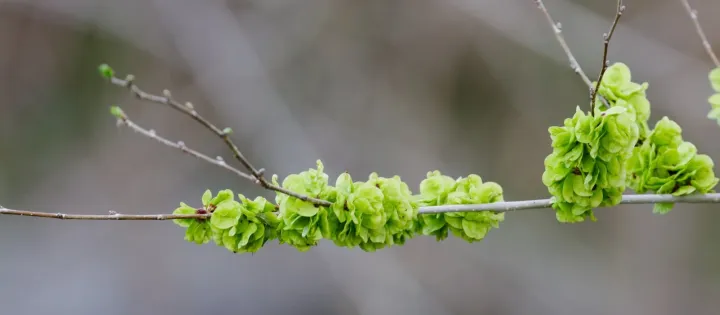
Description
Sowing dates
The Siberian elm is known for its prolific self-seeding capability. In agricultural practice, seeds are collected as soon as they mature, typically in late spring, as they lose viability rapidly.
Direct sowing in nurseries is the preferred method for propagation. Seeds do not require stratification, making them relatively easy to manage for large-scale reforestation projects.
Planting depth should be kept shallow, approximately 1 to 2 centimeters. Maintaining soil moisture during the germination phase is critical to ensure a high rate of seedling establishment.
The species exhibits an extremely fast growth rate during the first few years. This rapid development makes it a highly efficient choice for nurseries aiming to produce planting stock quickly.
When used for establishing shelterbelts, seedlings are often planted in rows with specific spacing requirements to ensure future tree stability and wind resistance efficiency.
Growing requirements
Belonging to the Ulmaceae family, the Siberian elm is renowned for its hardiness. It thrives in a wide range of soil types, including poor, sandy, or slightly saline conditions.
The tree is exceptionally drought-tolerant and capable of withstanding extreme temperature fluctuations, making it suitable for harsh climates where other species might fail.
Siberian elm requires full sun exposure to maintain its vigor. Planting in shaded areas leads to sparse foliage and increased susceptibility to various environmental stresses.
Its deep and extensive root system allows it to stabilize soils and prevent erosion, which is a major reason for its widespread use in soil conservation programs worldwide.
The species is frost-resistant, which allows for its cultivation in colder regions, providing consistent protection for agricultural fields throughout the year.
Yield
The primary economic value of the Siberian elm is its function in agroforestry, specifically as a protective element for crop fields to mitigate wind erosion and moisture loss.
Though not a primary timber crop, its wood is dense and tough, suitable for specific woodworking applications that require high impact resistance and structural durability.
By acting as a windbreak, these trees help create a more stable microclimate, which often leads to higher crop yields for adjacent fields by reducing plant dehydration.
The tree serves as an important early-season pollen source for bees, supporting local apiculture and contributing to the ecological balance of the agricultural landscape.
As a fast-growing species, it provides significant biomass that can be repurposed for mulching or renewable energy sources through sustainable trimming practices.
Main diseases and pests
Dutch Elm Disease, caused by Ophiostoma fungi and spread by bark beetles, remains the most significant threat to the survival and health of Siberian elm populations.
Defoliating insects, such as the elm leaf beetle, can cause severe stress to the trees by consuming leaves, which hampers photosynthesis and slows down the growth rate.
Various species of aphids often target the tree, leading to leaf curling and weakened overall vitality, especially in young, densely planted nursery stands.
Poorly drained soils can lead to root rot infections. Proper site selection and soil management are essential to prevent moisture-related pathogen proliferation.
Integrated pest management, including regular monitoring and the use of bio-rational pesticides, is recommended to keep plantations healthy and productive.