
Chinese elm
Ulmus parvifolia Jacq.
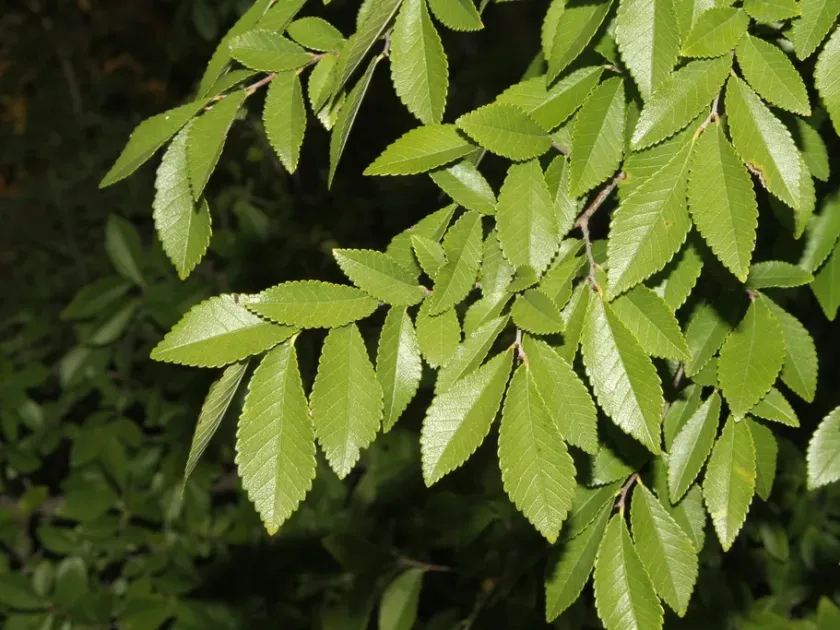
Description
Sowing dates
Chinese elm, scientifically known as Ulmus parvifolia, propagates effectively through seeds, which should be collected in late autumn when they ripen.
The seeds require a cold stratification period of several weeks to break dormancy and ensure successful germination in the spring.
Vegetative propagation is commonly performed using semi-hardwood cuttings taken during the growing season, which significantly speeds up plant development.
When sowing, it is crucial to use a well-draining, nutrient-rich substrate to prevent the seedlings from succumbing to fungal infections during the early stages.
Transplanting young saplings into their permanent location is best done during the dormant season, ensuring sufficient space for future root development.
Growing requirements
As a member of the Ulmaceae family, this species is highly valued in both landscaping and forestry due to its extreme resilience and ornamental bark.
It prefers full sun exposure to maintain a dense and healthy canopy, though it can tolerate partial shade in hotter climates.
The soil requirements are flexible, ranging from clay to sandy loams, provided that there is adequate drainage to prevent waterlogging.
Regular maintenance involves light pruning to manage the tree's growth, as it is a favorite choice for bonsai cultivation due to its small leaves.
Adequate irrigation is necessary during the establishment phase, while mature trees exhibit significant drought tolerance once their root systems are deep.
Main diseases and pests
The primary concern for all elms, including the Chinese elm, is Dutch elm disease, although Ulmus parvifolia shows better genetic resistance than many others.
Leaf beetles and elm sawflies are frequent pests that can cause significant damage to the foliage during the summer months.
Scale insects and aphids may also infest the branches, leading to the formation of sooty mold on the leaves and weakening the tree's vigor.
Integrated pest management, including regular monitoring and the use of targeted systemic insecticides, is essential for maintaining tree health.
Maintaining proper tree hygiene, such as promptly removing dead wood and clearing debris from the base, helps reduce the incidence of fungal pathogens.