
American elm
Ulmus americana L.
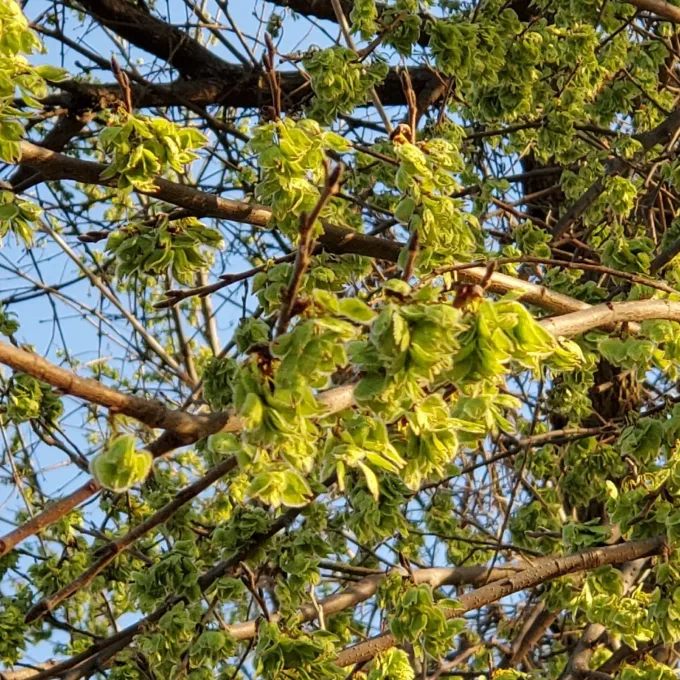
Description
Growing requirements
The American elm (Ulmus americana L.) is a large, deciduous tree belonging to the Ulmaceae family. Native to North America, it naturally thrives in bottomland forests and along riverbanks, where moisture and nutrient availability are optimal for its development.
This species requires deep, fertile, and well-drained soils to reach its full growth potential. While it demonstrates remarkable adaptability to various soil types, it performs best in soils with high organic matter content and consistent moisture levels throughout the growing season.
Regarding climate, the American elm is highly cold-hardy and can withstand significant seasonal temperature fluctuations. It prefers full sun but can tolerate partial shade, particularly during the early stages of its development in forest understory conditions.
Agricultural management of this species involves monitoring irrigation needs and providing adequate space for root system expansion. Due to its aesthetic appeal and tolerance for urban pollutants, it is extensively used in landscape architecture and urban forestry.
From a commercial perspective, the wood of the American elm is prized for its interlocking grain, which makes it extremely resistant to splitting and shock. This property makes it valuable for manufacturing high-quality furniture, tool handles, and specialized lumber.
Main diseases and pests
The most significant threat to the American elm is Dutch Elm Disease (DED), a vascular wilt caused by the fungus Ophiostoma novo-ulmi. This disease is spread primarily by bark beetles and has historically caused devastating losses in wild and urban populations.
Effective management against DED involves a comprehensive approach, including sanitation pruning, the removal of infected wood, and the application of systemic fungicides in high-value specimen trees. Early detection remains the cornerstone of disease control.
Beyond fungal infections, the species can be susceptible to various insect pests, including elm leaf beetles and aphids. Integrated Pest Management (IPM) strategies are recommended to maintain tree vigor and reduce the need for excessive chemical intervention.
Environmental stressors such as soil compaction and prolonged droughts can weaken the tree, making it more susceptible to opportunistic diseases and pests. Maintaining soil aeration and consistent watering is essential for prevention.
Recent advances in forest genetics have led to the introduction of DED-resistant cultivars. These varieties are now preferred for new plantings to ensure long-term sustainability and population health.