
Ampelocera hottlei
Ampelocera hottlei
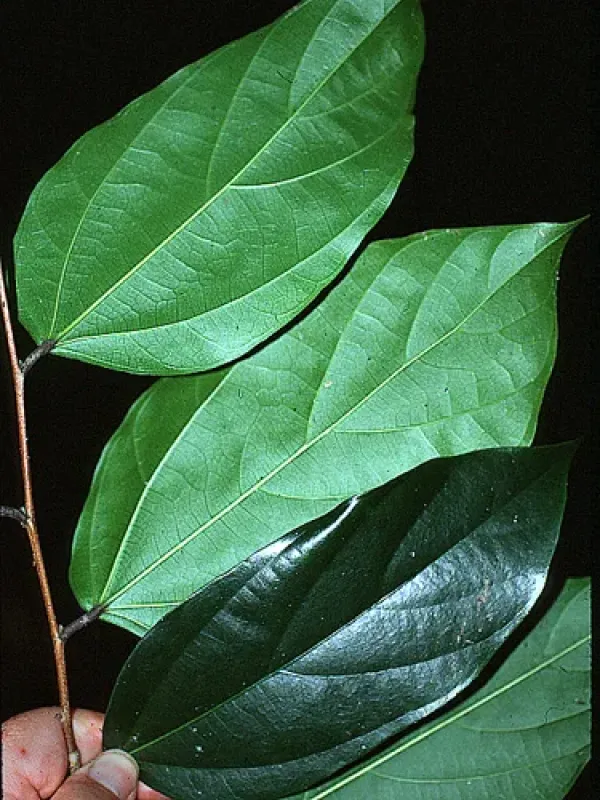
Description
Sowing dates
Ampelocera hottlei is primarily propagated through seeds within its native tropical forest habitat. Seeds are gathered once they reach full maturity, which typically occurs during the dry season, ensuring better germination rates.
Germination requires warm and humid conditions, mimicking the forest floor environment. Nursery professionals use well-drained, organic-rich soil mixes to provide the essential nutrients and drainage required for successful seedling development.
Seeds are sown in individual containers, carefully monitoring the depth to ensure optimal conditions for sprout emergence. Protecting seedlings from direct, intense sunlight is crucial during the initial stages of their growth.
The hardening process in the nursery usually spans several months. This period allows the young trees to adapt to varying levels of sunlight and moisture before they are eventually transplanted to permanent forestry sites.
Outplanting is best scheduled at the onset of the rainy season. This timing provides the trees with sufficient moisture to establish their root systems before the next dry period arrives.
Growing requirements
This species belongs to the Ulmaceae family and is native to the humid tropical forests of Central America. It thrives in regions where rainfall is abundant and evenly distributed throughout the year.
Deep, fertile, and well-drained soils are essential for the health of this tree. Alluvial plains and rich loamy soils offer the best environment for promoting robust growth and reaching maximum height.
While the tree shows a preference for sunny locations, young specimens can tolerate moderate levels of shade. A full canopy development is achieved when the tree has adequate access to sunlight as it matures.
Being a tropical species, it requires stable temperatures and is highly sensitive to cold snaps or freezing. Protection from extreme weather variations is key to maintaining a healthy and productive stand.
Agricultural and forest management practices include regular weeding within the plantation to minimize competition. Clearing around the base of the trees ensures that vital resources like water and nutrients are reserved for the tree.
Yield
The yield of Ampelocera hottlei is measured in terms of high-quality timber volume. The tree typically develops a straight and cylindrical bole, which is highly valued for various construction and interior applications.
Growth rates are considered moderate, but consistent management practices can significantly enhance the annual increment. Harvesting cycles are designed to allow the tree enough time to reach its optimal industrial size.
Silvicultural thinning is a necessary practice to boost overall yields. By removing suppressed or defective individuals, foresters can concentrate growth on the healthiest trees, maximizing the quality of the harvested wood.
The wood itself possesses good physical and mechanical properties, making it suitable for furniture making, fine woodwork, and decorative panels. Its durability and grain pattern attract interest in the timber industry.
Sustainable economic returns depend on the long-term management of forest plots. Proper planning ensures a continuous supply of timber while maintaining the ecological balance of the forest area.
Main diseases and pests
Fungal infections pose a significant risk, especially in high-humidity environments where poor air circulation may exist. Such infections can lead to stem rot, severely degrading the value of the harvested timber.
Wood-boring insects represent a persistent threat to the health of these trees. Regular forest health monitoring is required to identify pest outbreaks early and implement necessary control measures.
Anthropogenic pressure, including deforestation and land conversion, threatens the survival of the species in the wild. Protecting natural habitats is vital for maintaining the species' genetic diversity.
Invasive plant species can quickly overwhelm young seedlings, hindering their development. Consistent maintenance of the planting area is required to prevent these plants from choking out the young trees.
- Fungal stem diseases in humid conditions
- Infestation by wood-boring beetle species
- Damage caused by livestock or wild ungulates
- Competition from aggressive invasive vines
Harvesting
Harvesting is executed once trees reach the predefined target dimensions. This process requires thorough planning to ensure safety and to maximize the recovery of high-quality wood from each individual tree.
Felling should be performed with precision to avoid causing collateral damage to the surrounding younger forest growth. Utilizing appropriate machinery helps in efficient bucking and transporting logs from the site.
It is recommended to conduct harvest activities during the dry season. This approach reduces soil compaction and lowers the risk of introducing pathogens into the remaining forest stand.
Immediate primary processing of the harvested logs is essential. By removing bark and limbs, foresters can reduce the attractiveness of the wood to pests and prevent early-stage decay in the tropical climate.
Post-harvest evaluation and site preparation are the final steps in the cycle. Replanting or encouraging natural regeneration ensures that the forest continues to provide benefits for future generations.