
Stewartia serrata
Stewartia serrata
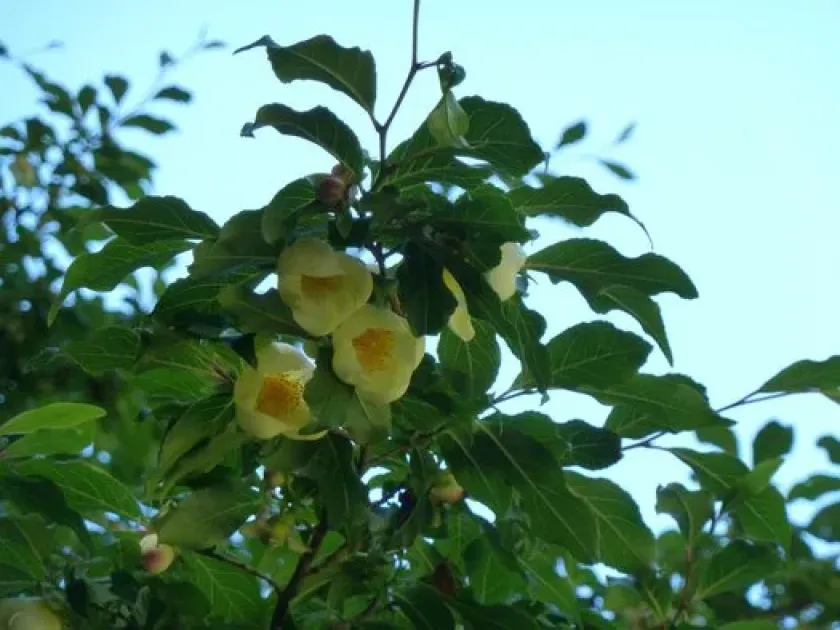
Description
Growing requirements
Stewartia serrata, commonly known as the Japanese Stewartia, is a distinct deciduous tree within the Theaceae family. It is native to the woodlands of Japan, where it thrives in cool, moist, and sheltered mountainous environments.
The cultural requirements for this tree are quite specific: it demands acidic, fertile, and well-drained soil. It does not tolerate waterlogging, so ensuring excellent drainage in the planting site is essential for long-term health and growth.
Regarding climate, Stewartia serrata performs best in temperate zones with high humidity and protection from harsh, dry winds. While it can tolerate full sun in cooler northern regions, partial shade is strongly recommended in warmer areas to protect the foliage.
Agronomic maintenance centers on consistent moisture management. During the first few years after planting, the root system must be kept cool and moist. Applying a thick layer of organic mulch, such as pine needles or wood chips, is highly recommended.
This species is used primarily for ornamental purposes in landscape architecture. Its smooth, exfoliating bark, coupled with brilliant autumn foliage colors and white camellia-like flowers, makes it a highly prized specimen for specimen plantings.
Main diseases and pests
Stewartia serrata is generally robust but can suffer from various diseases if the site conditions are poor. Root rot, caused by Phytophthora species, is the primary threat, typically arising from heavy, compacted, or constantly saturated soils.
Insect pests such as aphids, scale insects, and spider mites may occasionally infest the foliage. These pests thrive in dry conditions or when the plant is stressed, leading to yellowing leaves and reduced vigor.
Preventive care involves ensuring proper airflow through the canopy by avoiding overcrowding during planting. Sanitation, which includes the removal of fallen leaves and dead wood, significantly lowers the risk of fungal spores overwintering.
Chemical control should be used judiciously as a last resort. If spider mites or aphids appear, a targeted horticultural oil or soap can manage populations without harming the plant's delicate tissues during the active growing season.
Overall, monitoring the health of the trunk and the moisture level of the root ball is the best strategy for prevention. A tree that is provided with the correct soil pH and adequate moisture is significantly more resistant to common garden pests.