
Stewartia pteropetiolata
Stewartia pteropetiolata
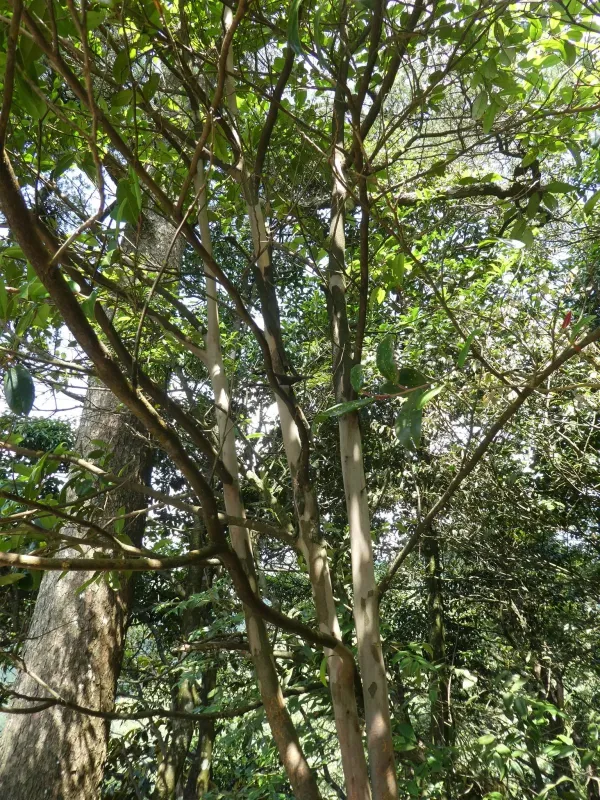
Description
Growing requirements
Stewartia pteropetiolata is a distinctive species within the Theaceae family, native to the temperate forests of East Asia. This plant is highly valued for its elegant foliage and is typically found in shaded or semi-shaded environments with high humidity.
To ensure healthy growth, the plant requires acidic, well-drained soil rich in organic matter. Sandy loam with high humus content is ideal, as it allows for proper oxygenation of the root system while retaining the necessary moisture for the shrub.
Climate requirements include protection from extreme heat and drying winds. The species thrives in areas with distinct, mild seasons and requires winter protection in cooler regions to prevent damage to the terminal buds and younger shoots.
Agricultural management involves consistent watering schedules, particularly during establishment. Applying a thick layer of organic mulch, such as pine needles or composted bark, is essential to regulate soil temperature and maintain the required acidic pH levels.
In terms of usage, it serves as a premium specimen plant for botanical gardens and refined residential landscapes. Its compact growth habit and aesthetic appeal make it a perfect choice for connoisseurs of woody ornamentals who have suitable microclimates.
Main diseases and pests
The primary threats include fungal diseases such as leaf spots or Phytophthora root rot. These issues are almost exclusively related to poor drainage or stagnant water conditions, emphasizing the need for proper site selection and soil preparation.
Pests are generally not a major concern, but occasional infestations of aphids or spider mites can occur during dry, hot spells. Integrated pest management, focusing on early detection and physical removal, is usually sufficient to maintain plant health without heavy chemical use.