
Orangebark Stewartia
Stewartia monadelpha
Description
Growing requirements
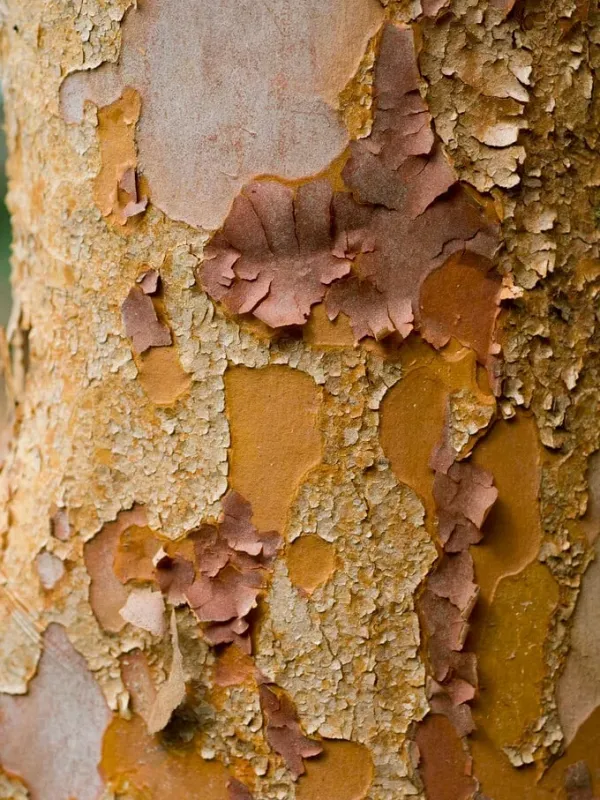
Stewartia monadelpha, commonly known as the orangebark stewartia, is an elegant deciduous tree belonging to the Theaceae family. It is native to the forests of Japan and Korea, valued globally for its smooth, exfoliating bark and cup-shaped white flowers.
The tree thrives in fertile, well-draining, and acidic soils. It is essential to ensure the planting site is rich in organic matter. Avoid heavy clay soils that retain excess moisture, as the roots are sensitive to waterlogging, which often leads to root rot.
Ideal planting locations provide partial shade, especially during the hottest part of the afternoon. While the tree can tolerate full sun in cooler climates, protection from intense radiation prevents leaf scorch and promotes more vigorous growth in younger specimens.
Climate requirements include moderate moisture and protection from harsh, drying winds. While the species is hardy to USDA zones 6-8, it benefits significantly from a generous layer of mulch applied around the base to stabilize soil temperature and retain humidity.
Maintenance involves providing consistent irrigation during dry spells throughout the growing season. Young trees should be protected from winter frost for the first few years until they are established enough to withstand local temperature fluctuations.
Main diseases and pests
The orangebark stewartia is generally considered a low-maintenance plant with few major pest problems. However, cultural errors such as improper watering are the most common cause of decline in garden settings.
Root rot caused by Phytophthora or other fungi is the primary biological threat. This is almost exclusively linked to poor drainage or overwatering, making site preparation the most important factor in disease prevention for this species.
Occasional infestations of aphids or spider mites can occur during exceptionally dry spring periods. Regular monitoring of the foliage and washing the leaves with a gentle water spray is often sufficient to control minor pest populations without chemical intervention.
It is important to avoid wounding the bark during maintenance, as the tree's smooth, thin skin is prone to damage. Mechanical injury can provide entry points for pathogens and borers, which can weaken the tree over time.
To ensure long-term vigor, maintain good air circulation through proper pruning. Removing crossing or dead branches helps prevent fungal diseases like mildew, keeping the canopy healthy and the tree's aesthetic appeal intact throughout the year.