
Stewartia gemmata
Stewartia gemmata
Description
Growing requirements
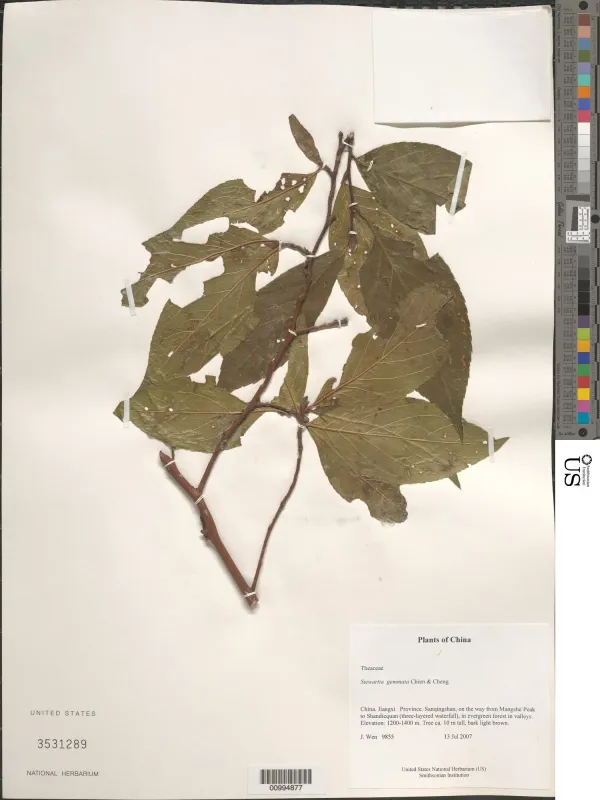
Stewartia gemmata is a sophisticated plant belonging to the Theaceae family. Originating from the temperate forests of China, this species is highly valued in horticulture for its ornamental bark, attractive foliage, and delicate, star-shaped flowers.
This crop prefers sheltered positions protected from strong winds. A partial shade environment is ideal, as it mimics the natural understory conditions where these plants thrive, preventing heat stress and foliar damage.
Soil requirements are quite specific: the substrate must be acidic, rich in organic matter, and possess excellent permeability. Heavy soils must be amended with peat or leaf mold to ensure the root system has sufficient aeration.
Good agricultural practice involves consistent moisture management. While the plant requires regular irrigation, it cannot tolerate waterlogging, which often leads to root rot. Installing a reliable drainage system is an essential step in site preparation.
Mulching is a mandatory procedure for this species. A thick layer of pine bark or compost helps stabilize the soil temperature and acidity levels, which are critical for the healthy development of Stewartia throughout the growing season.
Main diseases and pests
Root system vulnerability is a primary concern for this crop. Excessive humidity combined with low soil temperatures can lead to phytophthora and other soil-borne diseases, requiring vigilant monitoring and professional drainage solutions.
Pests such as aphids and spider mites can attack the plant during dry spells. If infestations occur, biological control methods or environmentally friendly acaricides are recommended to maintain the delicate ecological balance of the garden.
Frost damage to the stems is a significant risk in colder climates. In such regions, protective wrappings during the dormant season and careful site selection are vital to prevent tissue death and potential entry points for pathogens.
Proper pruning is essential to avoid structural issues. Removing dead or crossing branches improves air circulation within the canopy, which effectively reduces the risk of fungal infections such as powdery mildew.
Monitoring for nutrient deficiencies is also part of the defense strategy. Yellowing foliage often signals improper pH levels or lack of micronutrients, which can weaken the plant's natural resistance to pests and environmental stress.