
Schima noronhae
Schima noronhae
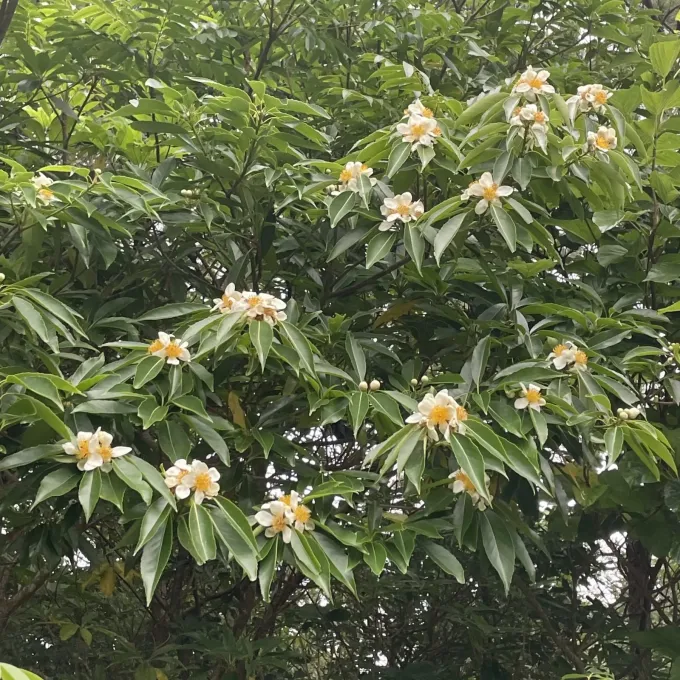
Description
Growing requirements
Schima noronhae is an evergreen tree belonging to the Theaceae family, commonly found in tropical and subtropical regions. It is highly valued for its dense foliage and attractive form, making it a prominent feature in its native ecological range.
The plant thrives in warm climates where temperatures remain relatively constant throughout the year. It requires high levels of atmospheric humidity to maintain its metabolic processes, making it well-suited for humid forest environments.
When it comes to soil, Schima noronhae prefers well-draining, nutrient-rich substrates with a slightly acidic pH. Avoiding waterlogged conditions is essential, as the roots are sensitive to hypoxia and fungal decay when exposed to standing water.
Cultivation practices involve providing adequate spacing between trees to ensure proper air circulation and light penetration. While mature trees are robust, juvenile plants require protection from intense direct sunlight during the hottest parts of the day.
The economic value of this species is significant, as it provides durable wood used in construction and craft. Furthermore, it serves as an excellent ornamental plant for public parks and private gardens, offering both aesthetic beauty and environmental benefits.
Main diseases and pests
Primary health risks include fungal pathogens that target the root system in poorly drained soils. Farmers should prioritize soil management and monitor moisture levels carefully to prevent the spread of root-rot diseases across the plantation.
Insect pests such as leaf miners and scale insects can pose a challenge to the health of the foliage. Implementing a proactive pest management strategy, including regular inspections, is crucial to maintain the vigor and quality of the trees.