
Schima crenata
Schima crenata
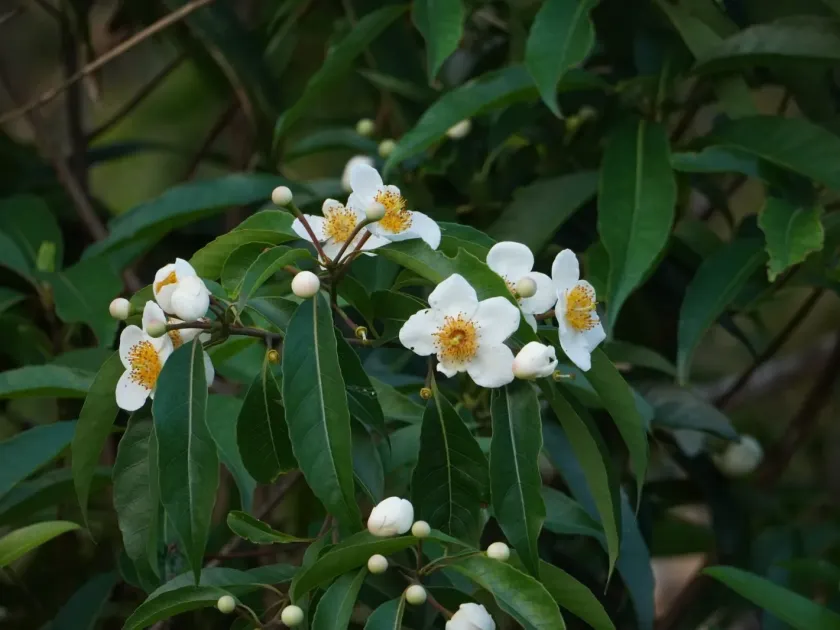
Description
Sowing dates
Propagation of Schima crenata typically involves seeds, which require stratification to break dormancy and ensure high germination rates before sowing.
Spring is considered the ideal time for sowing, as the rising temperatures and longer photoperiods support the growth of vigorous seedlings.
The planting medium must be loose, well-draining, and have a slightly acidic pH, which mimics the natural forest soil conditions required for success.
Seeds should be sown shallowly, covered only with a thin layer of soil or mulch to protect them from drying out while allowing them access to light.
After germination, seedlings require a gradual transition to larger containers, ensuring the root system is well-established before transplanting outdoors.
Growing requirements
Schima crenata is a member of the Theaceae family, characterized by its evergreen foliage and preference for humid subtropical climates.
This species thrives in areas with consistent moisture, and it is crucial to protect it from extreme drought conditions to maintain its health and aesthetic value.
The plant requires rich, loamy soils that can retain moisture without becoming waterlogged, as poor drainage is a common cause of failure in cultivation.
While young plants often prefer shaded environments, mature trees show better tolerance to direct sunlight, provided that the soil moisture levels are managed properly.
Temperature is a limiting factor for this tree; it does not tolerate hard frosts and is best suited for climates with mild winters and stable weather patterns.
Yield
Schima crenata is highly valued for its dense, durable wood, which is widely utilized in the timber industry for construction and furniture manufacturing.
The tree serves as an excellent ornamental species, contributing to the diversity and structural beauty of public parks and botanical landscapes.
The productive yield of a plantation depends significantly on site selection, ensuring the trees have sufficient light, space, and nutrient access for development.
Ongoing research is exploring the phytochemical properties of the plant, suggesting potential uses in the development of natural health products.
For forestry applications, careful management and regular monitoring of tree growth rates are essential to maximize the yield of timber over the rotation period.
Main diseases and pests
The primary threats to Schima crenata are fungal diseases that thrive in overly damp conditions, particularly those affecting the root and collar of the tree.
Insects such as scale insects and aphids can become problematic if they are not monitored, often leading to reduced growth and weakened physiological defenses.
Prevention is key, and maintaining proper air circulation through pruning and thinning is an effective way to reduce the incidence of pest and disease outbreaks.
Sanitation practices, such as removing fallen leaves or infested debris from the site, help prevent the survival and spread of common pathogens.
Integrated pest management strategies should be adopted to ensure the long-term sustainability and health of the Schima crenata stand.