
Camellia semiserrata
Camellia semiserrata
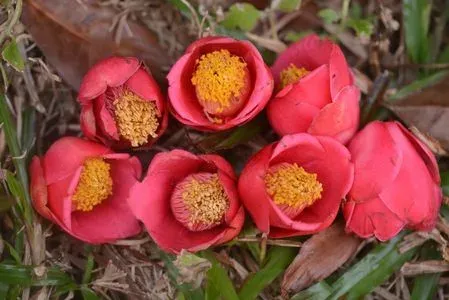
Description
Growing requirements
Camellia semiserrata is a perennial evergreen tree belonging to the Theaceae family, native to subtropical regions where it thrives in humid environments.
The plant typically grows in mountain forests and requires a climate with mild winters and warm, moist summers to maintain vigorous growth cycles.
Ideal soil conditions involve acidic, well-drained loamy soils rich in organic matter, which are essential for nutrient uptake and root development.
Agricultural management requires regular irrigation during dry periods and the application of fertilizers to sustain leaf production and oil-rich seed development.
This species is primarily cultivated for its seeds, which are highly valued for the extraction of premium edible camellia oil, known for its health benefits.
Main diseases and pests
The most common fungal threats include anthracnose and leaf spot, which spread rapidly in high-humidity conditions without proper air circulation.
Pests such as scale insects and spider mites frequently attack the leaves and twigs, leading to stunted growth if left unmanaged.
Integrated pest management strategies, including the use of horticultural oils and systemic insecticides, are necessary to protect the harvest.
Good plantation hygiene, such as removing fallen leaves and pruning dead branches, significantly reduces the pressure from pests and diseases.
Early detection of infections is critical for successful cultivation, as some diseases can quickly affect the overall yield of the plantation.
Harvesting
Harvesting of Camellia semiserrata usually occurs during the autumn season when the capsules start to dehisce naturally on the tree branches.
The process is typically labor-intensive and involves gathering the mature fruits before they fall to the ground and become contaminated.
Post-harvest handling requires immediate drying of the seeds to prevent fungal infection and preserve the quality of the oil within the kernel.
Seeds are shelled and cleaned thoroughly after drying to ensure that the oil extraction process yields a pure and stable product.
Efficiency during the harvest and storage stages is paramount to maximizing the economic return for farmers involved in oil production.