
Camellia rosiflora
Camellia rosiflora
Description
Growing requirements
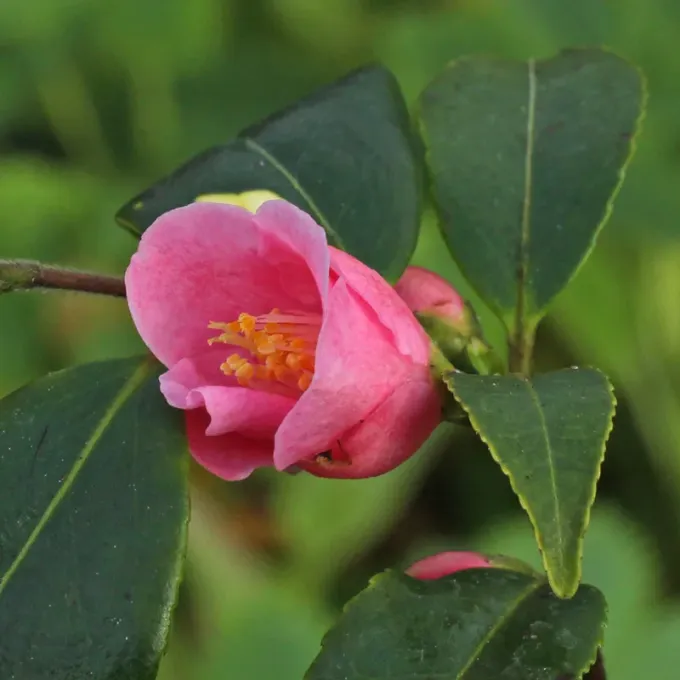
Camellia rosiflora is an elegant evergreen shrub belonging to the Theaceae family. It is highly valued for its aesthetic appeal, particularly its delicate pink blossoms that appear during the flowering season.
The plant originates from the subtropical regions of East Asia. In its natural habitat, it thrives in environments that provide consistent atmospheric humidity and protection from harsh, direct sunlight.
Cultivation requires specific soil conditions, characterized by high acidity and excellent drainage. The ideal pH range is between 5.0 and 6.5, ensuring the plant can effectively absorb essential nutrients from the substrate.
Temperature management is a critical aspect of Camellia husbandry. While the species exhibits some cold tolerance, it is best suited for sheltered outdoor areas in mild climates or as a container plant in colder regions.
Agricultural practices for this crop focus on regular irrigation with non-calcareous water. Consistent moisture management is vital to prevent root stress while ensuring the soil remains well-aerated for optimal growth.
Main diseases and pests
Root rot is the most significant pathological threat to Camellia rosiflora, typically triggered by waterlogged soil conditions. Proper drainage infrastructure is essential to mitigate this risk effectively.
Spider mites are common pests that thrive in dry environments. They cause discolouration and leaf drop, often requiring the use of specialized acaricides or increased ambient humidity to control population growth.
Scale insects present a consistent challenge by feeding on the sap of the shrub. Their presence can weaken the plant and encourage the growth of sooty mold, necessitating mechanical removal or systemic insecticide application.
Camellia blight or flower rot can occur during periods of prolonged damp weather. Removing affected blooms promptly helps maintain the overall health and appearance of the specimen during the peak season.
Fungal leaf spot diseases are frequently observed in poorly ventilated areas. Maintaining sufficient spacing between plants and regular pruning allows for adequate air circulation, which significantly reduces disease incidence.