
Camellia pitardii
Camellia pitardii
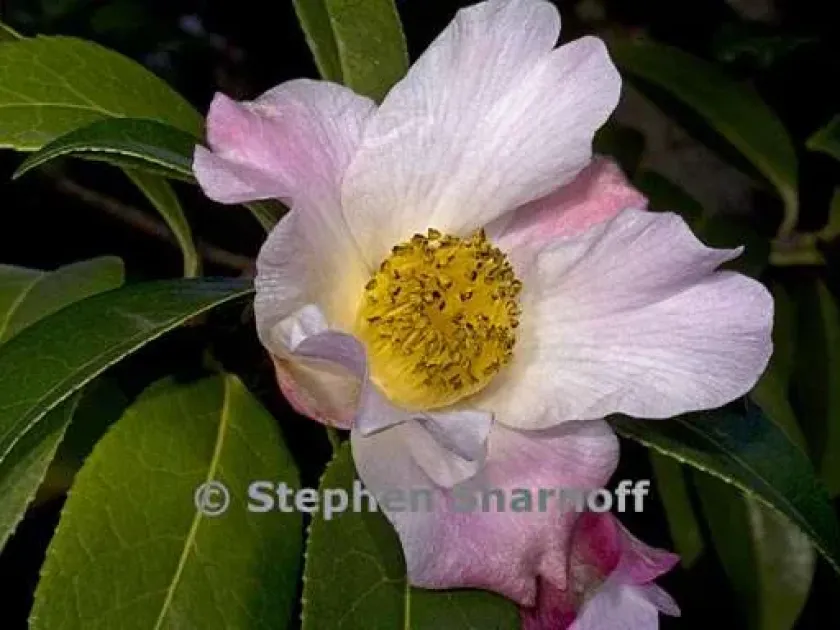
Description
Sowing dates
Camellia pitardii belongs to the Theaceae family and is characterized as an evergreen shrub or small tree native to the mountainous regions of China. It serves as a significant ornamental plant known for its resilient foliage and delicate blooms.
Propagation is typically achieved through semi-hardwood cuttings taken during the growing season. This method ensures the uniformity of the plant characteristics, which is vital for maintaining the aesthetic value of the variety.
Seed propagation is possible but involves a lengthy process of stratification to break dormancy. Success with seeds requires consistent environmental control, particularly regarding soil temperature and moisture levels during the germination phase.
Young plants are best kept in nursery conditions for several years until they develop a sufficiently robust root system. Gradual acclimatization to outdoor environmental factors is necessary before permanent planting.
The planting time is generally early spring, which allows the root system to establish itself before the onset of the heat of summer. Proper spacing is essential to ensure adequate airflow around the mature plants.
Growing requirements
This culture thrives in acidic soil with a pH ranging between 5.5 and 6.5. The medium must be well-drained and rich in organic matter to mimic the natural forest floor conditions where the species originates.
Consistent moisture is required; however, the root zone must never be waterlogged. Proper drainage systems, whether in pots or in the ground, are critical to prevent root suffocation and subsequent decay.
Camellia pitardii prefers dappled shade or indirect sunlight. Exposure to harsh, direct sunlight can result in leaf scorch and reduced flowering performance, especially in regions with high solar radiation.
Temperature management is crucial as the plant prefers moderate climates. Protection from freezing temperatures in winter is necessary for younger specimens, while mature plants may show higher tolerance depending on the local microclimate.
- Application of specialized acid-loving plant fertilizers.
- Mulching to preserve soil moisture and regulate temperature.
- Regular inspection of the root zone for aeration.
Main diseases and pests
Root rot and Phytophthora are the most significant threats to the health of the plant, often resulting from poor irrigation practices or inadequate drainage. Preventing moisture buildup is the primary defense strategy.
Pests such as scale insects and aphids can target young foliage. These pests reduce the vigor of the plant by extracting sap and may lead to the formation of sooty mold on the leaves due to their secretions.
Spider mites are a common challenge in dry, hot conditions. Maintaining proper ambient humidity through misting or site selection significantly mitigates the risk of infestation by these organisms.
Leaf spot diseases, caused by various fungal pathogens, may occur in areas with poor ventilation. Ensuring adequate space between plants reduces the spread of fungal spores and enhances the overall health of the garden.
Integrated Pest Management (IPM) practices, including the removal of infected plant tissue and the use of targeted biological controls, are highly recommended to ensure the longevity of the shrubs.