
Camellia indochinensis
Camellia indochinensis
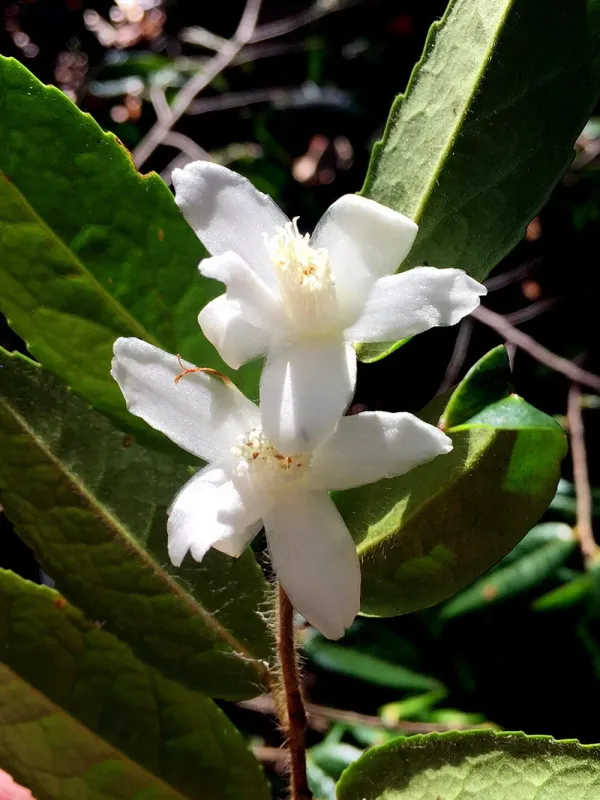
Description
Growing requirements
Camellia indochinensis is a species belonging to the Theaceae family, sharing botanical characteristics with the commercial tea plant. This evergreen shrub is native to the humid mountainous regions of Indochina, where it grows in the shaded understory of sub-tropical forests.
For successful cultivation, the plant requires acidic, well-draining soil rich in organic matter. A pH range between 5.0 and 6.0 is essential; soils that are too alkaline often cause chlorosis and stunted growth, negatively impacting the plant's physiological health.
Climatic preferences for this species include high humidity and stable, mild temperatures. It thrives in environments with temperatures ranging from 18°C to 25°C. Excessive heat or direct intense sunlight can scorch the leaves, so partial shade is recommended for young plants.
Watering requirements are strict: the soil must remain consistently moist but never waterlogged. Using soft, filtered water is highly advisable, as accumulated minerals and salts in tap water can damage the sensitive root system of the Camellia.
Proper agricultural practices include the use of organic mulch to keep the roots cool and moist. Regular pruning helps in maintaining the desired shape and encourages the production of young, tender leaves which are often the primary objective of cultivation.
Yield
The agricultural value of Camellia indochinensis is derived from its foliage and potential extracts used in the pharmaceutical and cosmetic industries. Yields depend heavily on the maturity of the plants and the intensity of nutrient management programs.
Strategic pruning cycles are utilized to maximize leaf production. By removing old wood, growers can stimulate a fresh flush of growth. Yield is usually measured by the weight of harvested green matter processed during a single growth season.
Plants generally enter a period of consistent yield after 4 to 5 years in the field. Careful monitoring of nutrient levels, particularly nitrogen and potassium, is required to ensure that the plants sustain high quality and vigor year after year.
The harvest must be conducted during dry weather to prevent the development of mold on the leaves after collection. Quick processing of the harvest is vital to preserve the concentration of active chemical compounds present in the plant tissue.
Innovative breeding and selection programs continue to improve the yield potential of this species, making it an increasingly attractive option for specialized agricultural producers focusing on rare botanical extracts.
Main diseases and pests
Major threats to Camellia indochinensis include fungal diseases such as leaf spot, anthracnose, and root rot. These are primarily caused by poor airflow within the canopy and excessively high moisture levels around the base of the shrub.
Common pests encountered in field and greenhouse conditions include spider mites, aphids, and scale insects. These pests can cause significant damage by sap-sucking, leading to leaf yellowing and structural weakening of the plant branches.
Integrated Pest Management (IPM) is the most effective approach for this crop. This involves regular field inspections, maintaining plant health through proper fertilization, and using biological controls whenever possible to avoid harsh chemical residues.
Sanitation is a critical component of disease prevention. Removing fallen debris from around the plants and pruning away diseased branches helps minimize the spread of spores and insects throughout the plantation.
- Maintaining optimal spacing for air circulation
- Regular soil acidity testing
- Prompt removal of infested foliage