
Sapindus emarginatus
Sapindus emarginatus
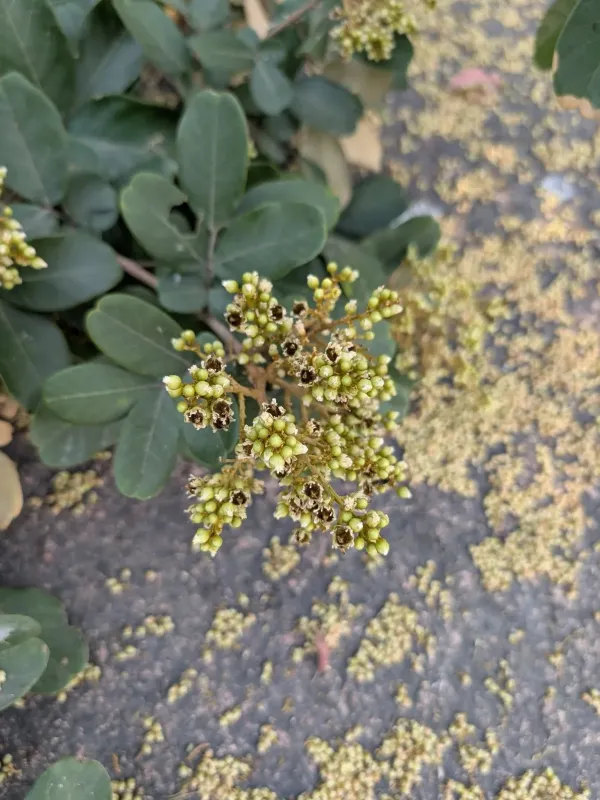
Description
Sowing dates
Propagation of Sapindus emarginatus is primarily achieved through seeds. Given their hard seed coat, scarification or soaking in warm water for at least 24 hours is essential to improve germination rates significantly.
The ideal time for sowing is at the beginning of the rainy season to ensure the soil remains consistently moist during the critical initial germination phase. Seeds should be planted in well-draining nursery beds or containers.
Once seedlings reach a height of 20–30 cm and develop a robust root system, they are ready for transplanting to their permanent location. Proper spacing is vital as the trees require considerable room for canopy expansion.
Young plants are relatively slow-growing and require consistent monitoring to ensure they are not outcompeted by aggressive weeds. Maintaining a mulch layer around the base can help retain moisture and suppress weed growth.
In agroforestry systems, Sapindus is often intercropped with smaller plants, provided they do not hinder the tree’s access to sunlight during its early developmental stages.
Growing requirements
Sapindus emarginatus is a member of the Sapindaceae family, native to tropical regions. It thrives in climates where temperatures remain consistently warm, as it is extremely intolerant of frost or freezing conditions.
The tree requires full sun exposure for optimal growth and high saponin content in its fruits. Areas with high light intensity promote denser canopy growth and more consistent fruit production throughout the year.
Soil requirements are relatively moderate; the tree prefers fertile, well-draining sandy loam soils. It demonstrates a notable tolerance for various soil types, including slightly saline soils, which makes it suitable for diverse tropical landscapes.
While the tree is moderately drought-tolerant once established, regular irrigation is highly recommended during the flowering and fruit-setting stages to maximize the yield and quality of the soapnuts.
- Optimal sun exposure for at least 6–8 hours daily.
- Protection from extreme wind and freezing temperatures.
- Soil pH ranging from 6.0 to 7.5.
Yield
The primary economic value of Sapindus emarginatus lies in its fruit, specifically the pericarp, which contains a high concentration of natural saponins used as an eco-friendly surfactant for cleaning and cosmetics.
Trees typically reach the onset of fruit production after 7 to 10 years when grown from seed. Once mature, a single tree can provide a bountiful harvest, often yielding tens of kilograms of dried soapnuts annually.
Harvesting takes place when the fruits reach maturity, indicated by a dark brown or black color and a dry, leathery texture. They are typically harvested by hand to ensure the pericarp is not damaged, maintaining the product’s quality.
After collection, the nuts must be de-seeded and dried thoroughly in the sun to ensure long-term stability. Proper moisture control during storage prevents fungal degradation of the saponins.
The demand for natural, biodegradable detergents has increased the agricultural interest in Sapindus, making it a viable specialty crop for tropical farming operations looking for sustainable alternatives to synthetic chemicals.
Main diseases and pests
Sapindus emarginatus is generally resilient, but it can be affected by various fungal pathogens that thrive in high-humidity tropical environments. Leaf spot diseases are common and can reduce the overall photosynthetic capacity of the tree.
Insect pests, such as aphids and scale insects, frequently target tender new shoots. These pests can be managed through integrated pest management (IPM) strategies, including biological control or the application of organic soap-based sprays.
Root rot is a significant threat, usually associated with poorly drained soil or waterlogging during excessive rainy periods. Ensuring good site selection and soil structure is the most effective preventative measure.
Mechanical injuries to the bark caused by farm equipment or improper pruning can create entry points for pathogens and wood-boring insects. Maintaining healthy, undamaged trunks is critical for the tree's longevity.
Regular field sanitation, including the removal and destruction of infected twigs or fruits, is necessary to mitigate the spread of pests and diseases across the orchard.