
Majidea fosteri
Majidea fosteri
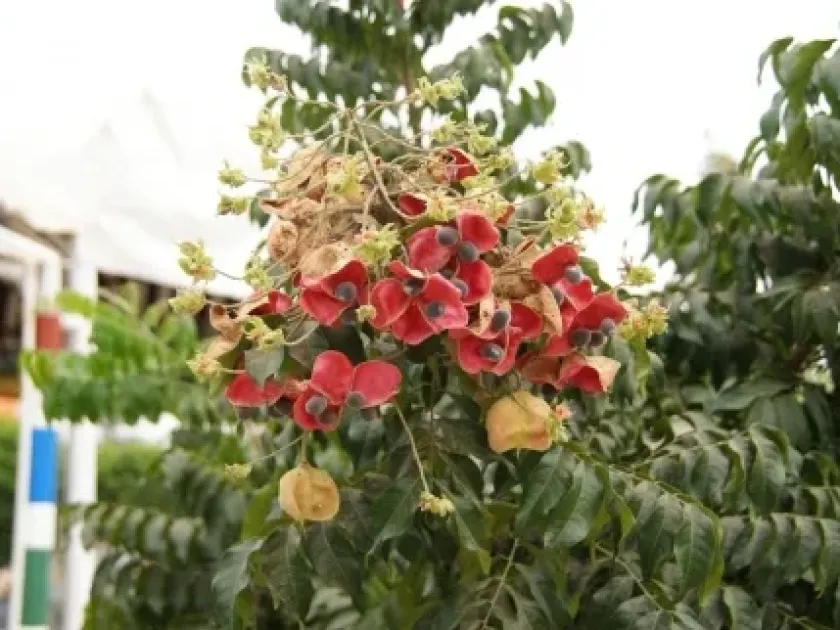
Description
Growing requirements
Majidea fosteri is a fascinating evergreen tree species belonging to the Sapindaceae family. Originating from East Africa, specifically regions like Kenya and Tanzania, this plant is highly regarded for its unique biological appearance and ornamental value.
The botanical profile of the tree features pinnate leaves and distinctive fruit capsules. When the fruit reaches maturity, it splits open to reveal seeds covered with an aril, creating a striking visual contrast that is highly sought after by botanical collectors and exotic plant enthusiasts.
In terms of climatic requirements, this species thrives in tropical conditions characterized by consistent warmth and humidity. It is intolerant of frost and cold drafts, meaning that cultivation outside of tropical or subtropical zones must be strictly limited to climate-controlled greenhouses.
Successful cultivation depends heavily on soil management. The plant prefers fertile, well-draining loams that retain moisture without becoming waterlogged. Providing proper drainage is essential to prevent the accumulation of excess water, which could lead to severe root decay.
General agrotechnical care involves consistent light irrigation and the maintenance of high ambient humidity levels. During the active growing season, applying balanced, water-soluble fertilizers will support vigorous shoot development and ensure the overall vitality of the plant.
Main diseases and pests
The primary pests affecting Majidea fosteri are common greenhouse invaders such as spider mites and mealybugs. These pests flourish in indoor environments where air circulation is limited and temperatures remain consistently high.
Pathogenic threats are usually associated with poor environmental management. Over-watering and inadequate soil aeration can lead to the proliferation of fungal pathogens that attack the root system, ultimately leading to plant failure if not addressed promptly.