
Hippobromus pauciflorus
Hippobromus pauciflorus
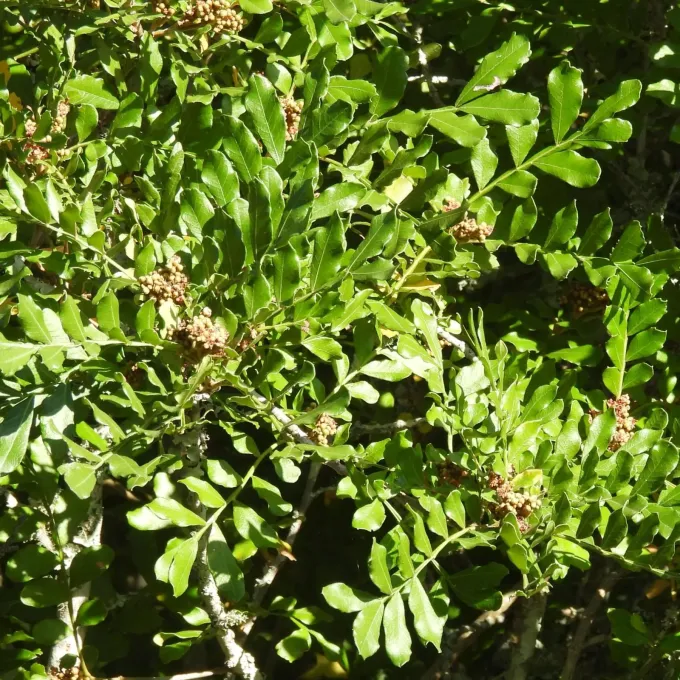
Description
Growing requirements
Hippobromus pauciflorus, commonly known as the Horsewood, is a distinct evergreen tree species belonging to the Sapindaceae family. Native to the Eastern Cape and KwaZulu-Natal regions of South Africa, it is well-regarded for its robust structure and dense foliage.
The species thrives in subtropical climates and requires a well-drained, nutrient-rich soil profile to ensure optimal growth. While it exhibits tolerance to varied soil types, it performs best in slightly acidic to neutral environments with adequate moisture levels.
For successful cultivation, full sun exposure is necessary. The tree is known for its moderate drought tolerance once established, though supplemental irrigation during the dry season significantly improves growth rates and foliage quality in garden settings.
Agrotechnical management involves regular pruning to maintain the desired canopy shape and health. This process also facilitates better airflow through the branches, which is critical for preventing moisture-related pathologies within the dense crown.
Beyond its ornamental appeal, the species holds significant cultural and traditional medicinal value. Various extracts from the plant have been historically utilized for their anti-inflammatory properties, making it a subject of interest in ethnobotanical studies.
Main diseases and pests
In terms of plant health, Hippobromus pauciflorus is susceptible to several common pests, most notably scale insects and aphids, which can infest young shoots and weaken the tree by extracting plant sap.
Fungal infections, particularly root rot, represent a primary threat in poorly drained soils. Managing soil moisture levels through proper site selection and drainage preparation is the most effective preventative measure against these pathogens.
Leaf spot diseases may appear during periods of high humidity or prolonged rain, necessitating a clean environment under the canopy to minimize the persistence of fungal spores in fallen organic matter.
Mechanical damage to the bark by small mammals can lead to localized necrotic lesions, allowing secondary infections to enter, so protecting the trunk of young specimens is recommended.
Integrated pest management, including regular inspection and the use of horticultural oils if necessary, ensures the long-term vitality of the trees without relying heavily on intensive chemical intervention.