
Glenniea unijuga
Glenniea unijuga
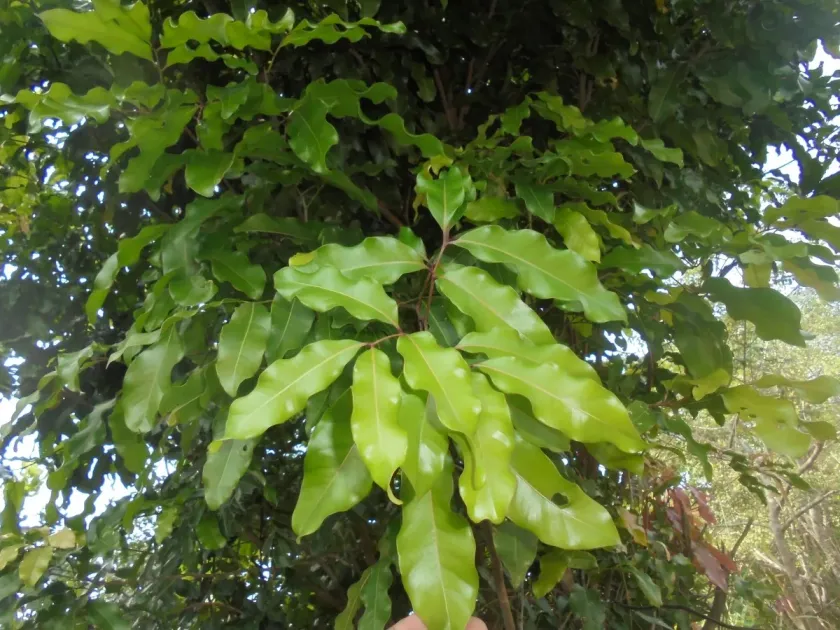
Description
Growing requirements
Glenniea unijuga is a perennial tree species belonging to the Sapindaceae family. Naturally occurring in the tropical ecosystems of Asia, it is primarily found in countries such as India and Sri Lanka, where it thrives in high-humidity forest zones.
The climate requirements for this species are strictly tropical. It needs consistent warmth throughout the entire year, as it lacks the physiological mechanisms to withstand frost or prolonged exposure to temperatures significantly below average tropical levels.
Soil quality is a critical factor for successful cultivation. The plant requires deep, fertile, and well-draining soils. It is particularly sensitive to waterlogging, which can rapidly lead to root rot; therefore, selecting an elevated site is highly recommended.
In terms of light exposure, the plant prefers dappled light or semi-shade conditions, especially during its juvenile stage. As the tree matures, its crown becomes more resistant to direct sunlight, helping to regulate the microclimate beneath it.
Agricultural management involves routine irrigation during the dry season and periodic fertilization. Since the plant is naturally adapted to forest soils rich in decomposing organic matter, mulching is an effective practice to maintain moisture and soil health.
Harvesting
The primary economic use of Glenniea unijuga is the production of its edible fruits. These fruits are consumed locally and serve as a supplemental food source, recognized for their distinct organoleptic properties in regional diets.
Beyond its edible produce, the wood of the tree is utilized for small-scale timber applications. It is appreciated for its durability and moderate hardness, making it suitable for crafting tools and household utensils in traditional village settings.
Harvesting is typically done by hand upon reaching physiological maturity. The color change of the fruit skin serves as the primary indicator for harvest timing, ensuring optimal sugar content and texture for consumption.
Post-harvest handling is critical due to the perishable nature of the fruits. They should be kept in well-ventilated, shaded areas to minimize moisture loss and prevent the onset of fungal decay during the brief transport period to local markets.
The plant also contributes to agroforestry systems. By providing significant shade, it creates a conducive environment for other crops, contributing to the biodiversity and overall resilience of the managed agricultural landscape.