
Glenniea africana
Glenniea africana
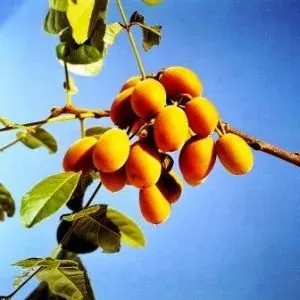
Description
Growing requirements
Glenniea africana is a significant woody species belonging to the Sapindaceae family. This tree is native to the tropical rainforests and gallery forest formations of West and Central Africa, where it plays a role in the local ecosystem.
The plant thrives in deep, fertile, and well-drained soils, which are typical for the high-rainfall regions of its natural habitat. Adequate organic matter in the soil is essential for the healthy development of its root system.
Regarding climatic conditions, Glenniea africana requires consistent tropical temperatures and high atmospheric humidity. It lacks cold tolerance, making it unsuitable for cultivation in temperate zones, and it cannot survive exposure to frost.
The agricultural management of this species involves providing consistent moisture, especially during the early stages of growth. While it prefers sunlight for fruit production, young seedlings often benefit from partial shade to mimic the forest floor environment.
Economically, the species is primarily valued for its traditional medicinal uses, with various parts of the tree utilized in local pharmacopoeia. Furthermore, the wood provides a source of material for small-scale construction in its native range.
Main diseases and pests
The primary threats to Glenniea africana include various tropical insect pests, such as leaf-eating caterpillars and weevils. These pests can cause significant defoliation, thereby weakening the tree's physiological status.
Fungal diseases are a constant concern in high-humidity environments. Diseases such as anthracnose can lead to fruit rot and leaf spots if there is poor airflow around the tree canopy.
Soil-borne pathogens and root-knot nematodes are significant threats that target the root systems of young plants. Careful monitoring and soil sanitation are crucial to prevent these underground infestations.
Viruses transmitted by sap-sucking insects like aphids pose a threat by causing stunted growth and leaf distortion. Implementing integrated pest management strategies is necessary to minimize the impact of these vectors.
Habitat loss due to land-use changes remains the most significant long-term threat to the species. Sustainable harvesting practices and conservation efforts are essential to maintain existing wild populations.