
Dodonaea subglandulifera
Dodonaea subglandulifera
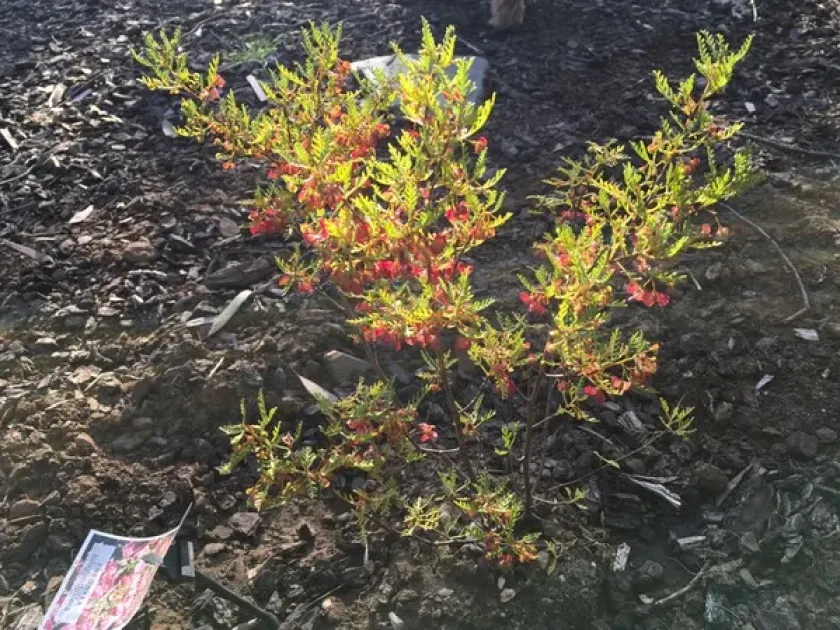
Description
Growing requirements
Dodonaea subglandulifera is a shrub species belonging to the Sapindaceae family. It is a distinct botanical entity known for its ability to thrive in harsh, arid landscapes, making it a subject of interest for specialized agriculture and soil restoration programs.
The species is endemic to parts of Australia, typically found in arid shrublands. Its natural distribution is characterized by sparse vegetation cover, where the plant acts as a key component in maintaining soil integrity against desertification.
For cultivation purposes, this plant requires high light levels and exceptional drainage. It is highly intolerant of waterlogged soil conditions, which can lead to root rot and rapid decline of the specimen. Sandy or rocky substrates are considered ideal for its growth.
Climatic requirements involve tolerance to wide temperature fluctuations and low humidity. While it is hardy in its native range, providing stable warm conditions during the establishment phase is crucial for ensuring the survival of the saplings.
Agrotechnical practices should focus on minimal interference. Due to the presence of glandular structures on its leaves, the plant maintains a level of natural chemical defense against common pests, reducing the need for intensive synthetic pesticide applications.