
Madagascar hopbush
Dodonaea madagascariensis Radlk.
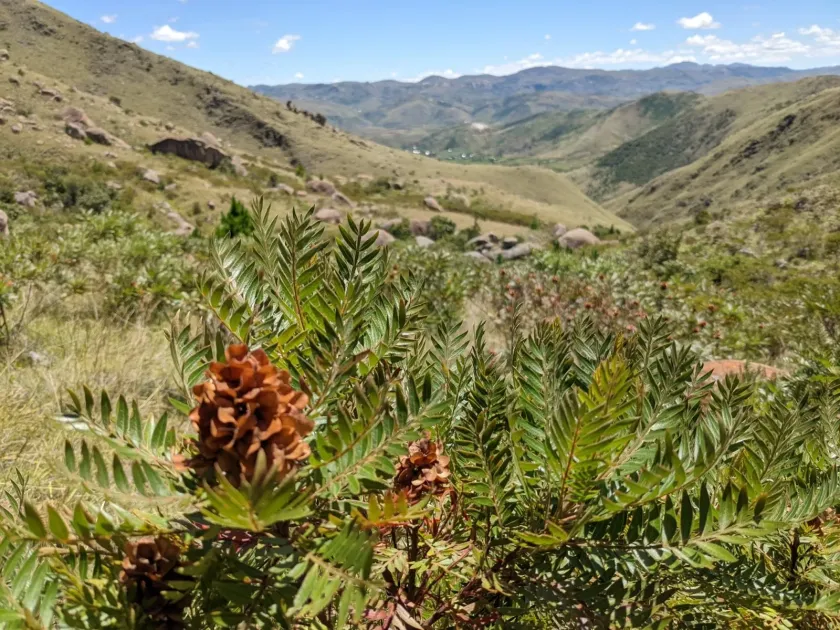
Description
Growing requirements
The Madagascar hopbush (Dodonaea madagascariensis) is an evergreen shrub belonging to the Sapindaceae family. Native to the island of Madagascar, this species is adapted to tropical ecosystems, thriving in climates where stable temperatures support year-round vegetative growth.
The plant features distinctively leathery leaves and a dense branching habit, making it an attractive subject for botanical collections. Botanically, it is recognized by its small, inconspicuous flowers and specialized fruit capsules that are typical for the genus Dodonaea.
Cultivation of this species requires well-draining soil with a neutral or slightly acidic pH balance. It is essential to ensure that the potting medium or garden soil provides excellent aeration, as the roots are highly sensitive to waterlogging, which often leads to rapid decay.
Light requirements are significant for this shrub, as it prefers full sun exposure to maintain its compact form and vibrant leaf color. In shaded conditions, the plant tends to become leggy and loses its aesthetic appeal, making site selection a critical part of the establishment process.
In landscape design, this species is utilized for hedging and structural planting in frost-free regions. Its ability to withstand pruning allows gardeners to shape it into various forms, providing both visual interest and privacy barriers in diverse garden layouts.
Main diseases and pests
Root rot, caused by fungal pathogens such as Phytophthora, represents the primary threat to the Madagascar hopbush. This condition is almost exclusively linked to poor drainage and overwatering, emphasizing the need for precise moisture management.
Sap-sucking insects, such as mealybugs and scale insects, are common pests that target the younger, more tender growth of the shrub. Their feeding activity leads to yellowing leaves, stunted growth, and the accumulation of honeydew which can foster sooty mold.
Integrated pest management, including regular monitoring and the use of insecticidal soaps or systemic treatments, is recommended to keep pest populations under control. Early detection remains the most effective strategy for preserving the plant's health.
Spider mites are frequently encountered in indoor or greenhouse settings where the air is particularly dry. Increasing ambient humidity and proper ventilation are essential cultural practices to discourage mite colonization on the foliage.
Nutritional deficiencies, specifically nitrogen or magnesium deficiency, can manifest as leaf discoloration and reduced growth rates. Regular applications of a balanced fertilizer are advised to support the plant's metabolic processes throughout the growing season.