
Hop bush (Dodonaea triquetra)
Dodonaea triquetra
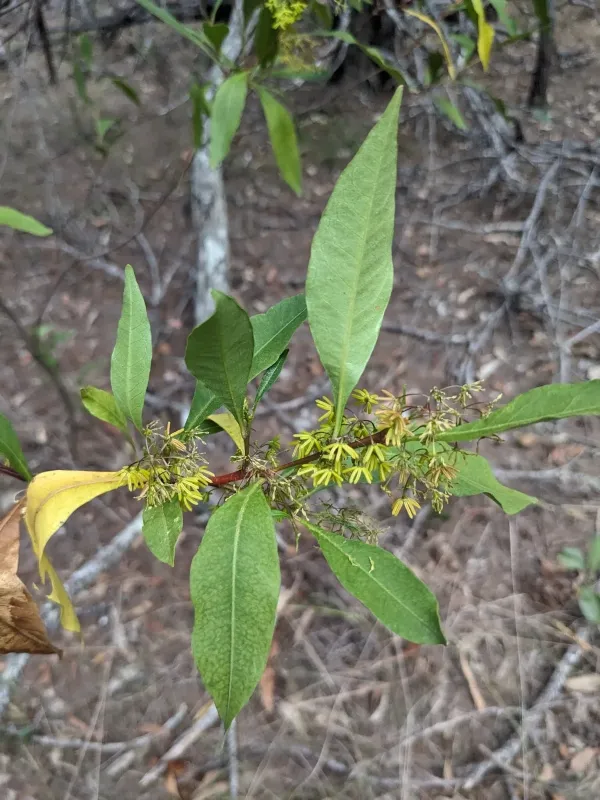
Description
Sowing dates
Propagation of Dodonaea triquetra is primarily performed through seeds or semi-hardwood cuttings. Seeds should be sown in early spring in a well-draining potting medium.
Seed germination is often enhanced by scarification, as the seeds possess a hard, water-impermeable coat. Proper heat application (18-22°C) is essential for successful sprouting.
Cuttings are taken from healthy, current-season growth. Using rooting hormone significantly improves the success rate of propagation during the warm spring or autumn months.
Once cuttings have established roots, they should be transplanted into individual containers before being moved to the permanent garden site to ensure strong root development.
The planting site should be chosen with care to ensure the young plant is protected from extreme wind during its first growing season, allowing the structure to harden.
Growing requirements
Dodonaea triquetra, a member of the Sapindaceae family, is native to Australia. It is highly adapted to well-drained, nutrient-poor soils and thrives in sunny locations.
The plant requires excellent drainage to prevent root rot. It is sensitive to waterlogged conditions, which are the most common cause of failure in cultivation.
It displays a good level of drought tolerance once established. However, during prolonged dry spells, supplemental irrigation is recommended to maintain optimal growth and foliage quality.
This shrub prefers neutral to slightly acidic soil conditions. In areas with high alkalinity, amendments may be needed to prevent nutrient deficiencies, particularly iron chlorosis.
While tolerant of some frost, mature plants perform best in temperate climates. Extremely cold temperatures require protective measures, such as mulching or physical covering.
Main diseases and pests
The main threats to Dodonaea triquetra include root-knot nematodes and various fungal pathogens that thrive in poorly drained environments, such as Phytophthora species.
Aphids and scale insects can occasionally infest the foliage, particularly on new growth. Regular monitoring is essential to prevent significant damage during the active growing phase.
Excessive humidity combined with poor air circulation is a major contributor to fungal outbreaks, such as mildew, which can distort leaves and reduce plant vitality.
Weed competition during the establishment phase can significantly impede growth. Keeping the area under the canopy clear of weeds ensures better nutrient uptake for the shrub.
Integrated pest management strategies are recommended, utilizing beneficial insects and selective pruning of infested branches to maintain plant health without heavy pesticide use.
Harvesting
The horticultural utility of this species centers on its role in decorative landscaping and erosion control due to its robust root system and dense growth habit.
Harvesting for decorative purposes involves clipping branches, which should be done with sharp, sterilized tools to ensure clean cuts and minimize stress to the plant.
Routine pruning is vital to maintaining the shrub's shape and vigor. Pruning should be carried out after the flowering period to encourage dense branching for the next season.
In nursery production, harvesting of plant material for multiplication is timed to maximize the physiological readiness of the shoots for rooting, usually in late summer.
The cleanup of pruning debris is necessary to prevent the accumulation of leaf litter that could harbor pests and diseases, keeping the surrounding area hygienic for plant health.