
Dodonaea stenozyga
Dodonaea stenozyga
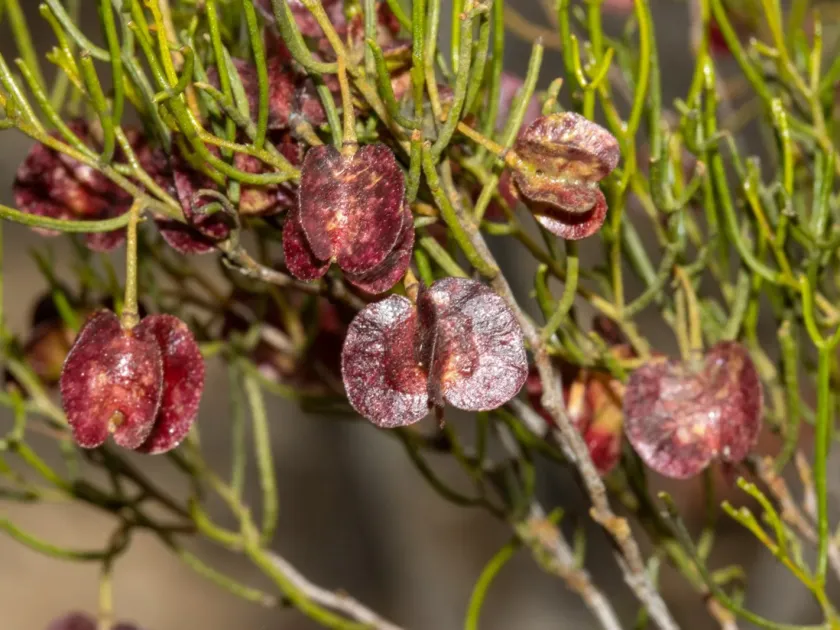
Description
Growing requirements
Dodonaea stenozyga is a shrub species belonging to the Sapindaceae family. It is native to arid and semi-arid regions across southern and western Australia, where it thrives in harsh environmental conditions that would be unsuitable for most other agricultural crops.
The plant is characterized by its linear, narrow leaves coated with a sticky, resinous substance. This adaptation significantly reduces transpiration, allowing the plant to survive prolonged droughts in high-temperature environments typical of the Australian interior.
Soil requirements are strict regarding drainage. It requires well-drained, sandy, or gravelly soils. In agricultural or horticultural settings, avoiding waterlogging is the single most important factor for plant longevity, as the root system is highly sensitive to hypoxia.
The species requires full sunlight to maintain its structural integrity and avoid becoming spindly. It is highly adapted to poor soil nutrients and does not require fertilization; in fact, excessive nutrient levels can sometimes lead to unhealthy, rapid growth that weakens the plant.
Economically, Dodonaea stenozyga is primarily valued in desert landscaping and ecological restoration projects. Its ability to stabilize soil and survive on minimal rainfall makes it a critical species for desert rehabilitation and preventing erosion in sandy environments.
Main diseases and pests
The primary threat to Dodonaea stenozyga is root rot caused by fungal pathogens such as Phytophthora. This usually occurs when the plant is grown in areas with high humidity or heavy soils that prevent rapid water drainage, stressing the plant beyond its natural tolerance.
Insect pests include scale insects and aphids, which are attracted to the resinous leaves. While the plant has natural chemical defenses, severe infestations in an agricultural setting may require integrated pest management to protect young growth and maintain the ornamental value of the foliage.