
Cardiospermum halicacabum
Cardiospermum halicacabum L.
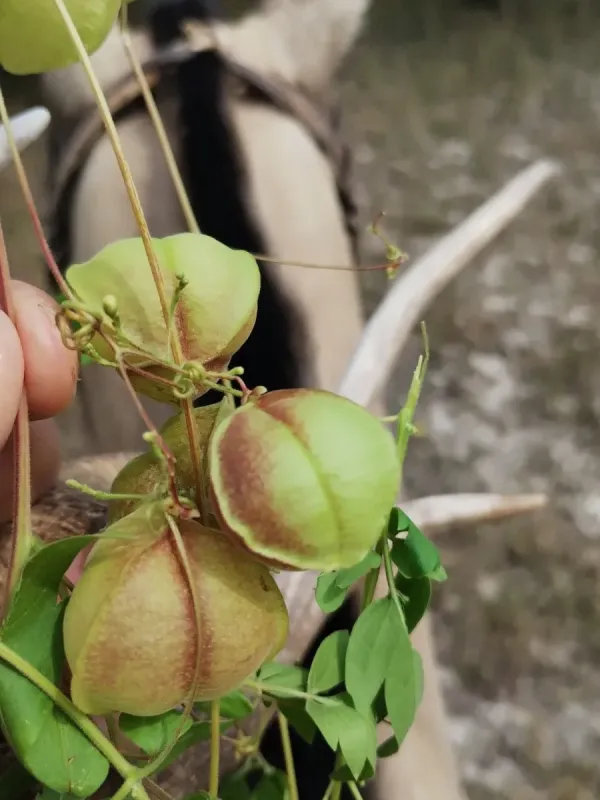
Description
Sowing dates
Cardiospermum halicacabum, commonly known as the balloon vine, is a fast-growing annual member of the Sapindaceae family that thrives in warm climates.
Seeds should be started indoors in late winter or early spring, about 6–8 weeks before the expected last frost, to maximize the growing season.
When planting directly outdoors, ensure that the soil temperature has reached at least 15°C; cold soil significantly hinders germination and root development.
Soaking the seeds in warm water for 24 hours prior to sowing can help soften the hard seed coat and improve overall germination uniformity.
Seedlings should be hardened off gradually over a week before being transplanted to their final location to avoid transplant shock.
Growing requirements
This vine requires a sunny location receiving at least 6 to 8 hours of direct sunlight per day to encourage prolific flowering and fruit set.
Well-draining, fertile soil enriched with organic matter is essential for supporting the rapid vertical growth of the plant.
Providing a sturdy trellis or fence is mandatory, as the plant uses tendrils to climb and can reach heights of up to 3 meters in optimal conditions.
Consistent moisture is key; although the plant can tolerate short dry spells, regular irrigation is necessary for lush foliage and balloon-shaped pods.
Mulching around the base of the plant helps retain soil moisture and prevents weeds from competing for nutrients during the peak summer heat.
Main diseases and pests
The primary pests affecting balloon vine are aphids, which cluster on tender new tips, and spider mites that thrive in hot, dry conditions.
Powdery mildew is a common fungal issue that appears as a white dusting on leaves, usually caused by high humidity and poor air circulation.
Root rot can occur in waterlogged soil, emphasizing the need for excellent drainage systems and careful irrigation management throughout the season.
Integrated pest management, including the use of neem oil or insecticidal soap, is effective for controlling common infestations without harming beneficial insects.
Regular monitoring of the foliage allows for early detection of potential threats, ensuring that localized treatments can be applied before damage spreads.