
Cardiospermum dissectum
Cardiospermum dissectum
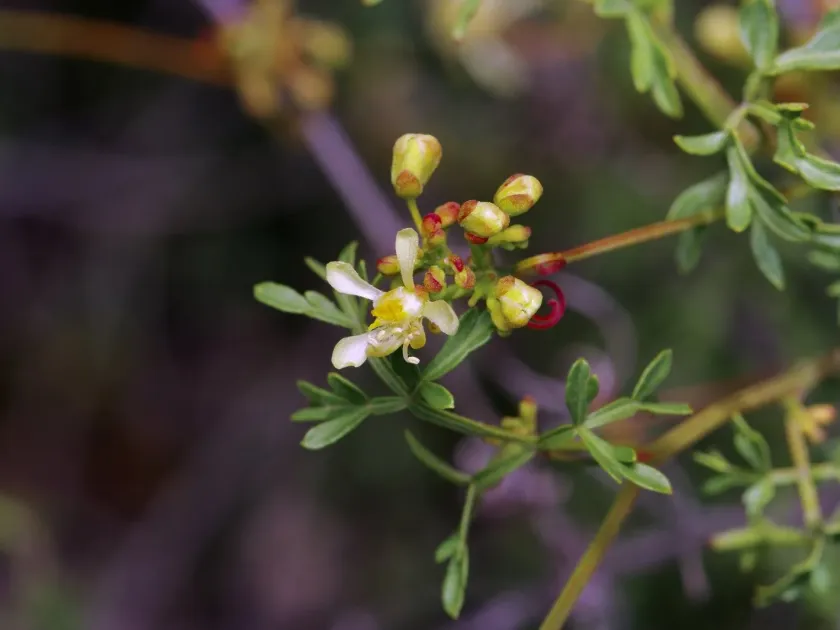
Description
Sowing dates
Cardiospermum dissectum is a climbing plant belonging to the Sapindaceae family. It is typically grown as an annual in many agricultural zones, valued for its fast growth and unique botanical structure.
Seeds should be sown indoors in late spring to ensure a long enough growing season for the plant to mature. Germination usually requires consistent warmth and moderate moisture levels in the substrate.
When sowing directly into the field, ensure the soil temperature is consistently above 15 degrees Celsius. Planting depth should be around 1–1.5 cm to provide sufficient support for the seedling.
Seedlings need to be transplanted with care to avoid root shock. Using biodegradable pots is highly recommended to minimize disturbance to the delicate root system during the transfer to the garden.
Spacing between plants should be sufficient to allow air circulation. Crowding can lead to poor development of the stems and reduced overall vigor of the climbing plant.
Growing requirements
This crop thrives in full sun exposure. While it can tolerate partial shade, optimal growth and flowering are only achieved when the plant receives at least six hours of direct sunlight daily.
Soil requirements include high fertility and excellent drainage. Sandy loam or well-amended garden soil provides the best environment for root expansion and nutrient uptake.
Watering schedules should be consistent. The crop does not tolerate drought for extended periods, but waterlogging can cause severe root damage and increase susceptibility to rot.
Fertilization with a balanced NPK ratio is beneficial throughout the active vegetative phase. Slow-release granular fertilizers work best when applied during the initial stages of growth.
Support structures are essential for Cardiospermum dissectum. Trellises, wire meshes, or string systems must be installed before the plant starts producing its vigorous climbing tendrils.
Main diseases and pests
Aphids are the most common pests affecting this species. They cluster on new growth and can significantly stunt the development of the plant if left untreated for long periods.
Spider mites can become a major threat in hot, dry conditions. Regular misting or the application of specialized miticides can help control mite populations and prevent leaf damage.
Fungal pathogens such as powdery mildew may develop during periods of high humidity. Improving airflow around the plant is the most effective cultural method to prevent these issues.
Root rot caused by Phytophthora or Pythium species is a risk if soil moisture is not managed correctly. Proper drainage is the primary defense against these soil-borne threats.
Monitoring the plants regularly for yellowing leaves or discolored stems allows for early intervention, ensuring the health and productivity of the crop throughout the season.