
Cardiospermum corindum
Cardiospermum corindum
Description
Sowing dates
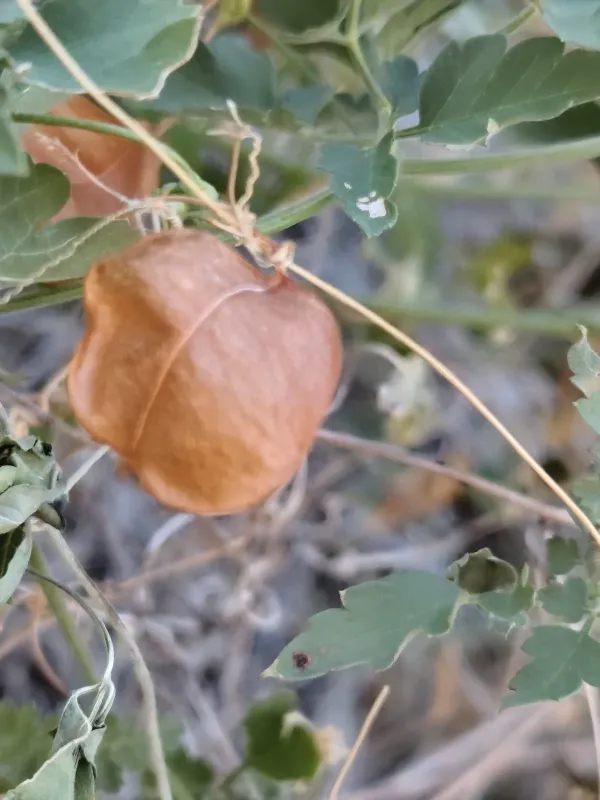
Cardiospermum corindum is a climbing herbaceous plant belonging to the Sapindaceae family. Known for its distinct balloon-like seed pods, it is often grown as an annual in temperate climates, though it is perennial in its native tropical habitat.
Sowing should be scheduled based on the frost-free period. For direct sowing, wait until soil temperatures consistently reach at least 15°C. In colder regions, starting seeds indoors 6 to 8 weeks before the last frost is highly recommended.
Seeds should be planted at a depth of about 1 centimeter in well-draining seed-starting mix. Keep the soil warm and moist until germination occurs, which usually takes 10 to 14 days under optimal conditions.
Once the seedlings have developed two sets of true leaves, they can be hardened off before transplanting into the garden. Spacing should be approximately 45 centimeters apart to allow for sufficient spread.
As a vigorous climber, this plant requires sturdy support structures such as trellises, fences, or wires. The plant uses specialized tendrils to anchor itself, enabling it to climb to significant heights during the growing season.
Growing requirements
This species thrives in full sun exposure. While it can tolerate partial shade, maximum sunlight is essential for vigorous growth and the development of its unique ornamental seed pods.
Soil requirements include excellent drainage and a high level of organic matter. A loamy, neutral soil with a pH between 6.0 and 7.0 is ideal for maximizing plant health and nutrient uptake.
Consistent moisture is vital throughout the active growing period. However, gardeners must avoid waterlogged conditions, which can cause root damage and foliage chlorosis.
Regular fertilization with a balanced liquid fertilizer during the peak growth months helps sustain the energy needed for the plant to climb and produce fruits. Avoid excessive nitrogen, which promotes leaves at the expense of seed pods.
Pruning is generally not required for growth, but removing damaged or dead stems can maintain the plant's aesthetic appeal and reduce the risk of localized disease outbreaks.
Main diseases and pests
The primary fungal threat to Cardiospermum corindum is powdery mildew, particularly when air circulation is poor and humidity levels remain high for extended periods.
Common insect pests include spider mites and aphids. These pests can cause significant damage to the leaves by piercing plant tissues, leading to discoloration and stunted growth if not managed.
To control pest populations, regular monitoring of the underside of leaves is necessary. Early intervention with insecticidal soaps or neem oil is often sufficient to manage minor infestations without chemicals.
Root rot is a physiological condition caused by overwatering or poorly drained soil. Ensuring that the planting site has good soil structure and proper water management is the most effective prevention strategy.
Maintaining a clean garden environment by clearing away debris and weeds around the base of the plant helps minimize the presence of pathogen vectors and competing vegetation.