
Atalaya hemiglauca
Atalaya hemiglauca
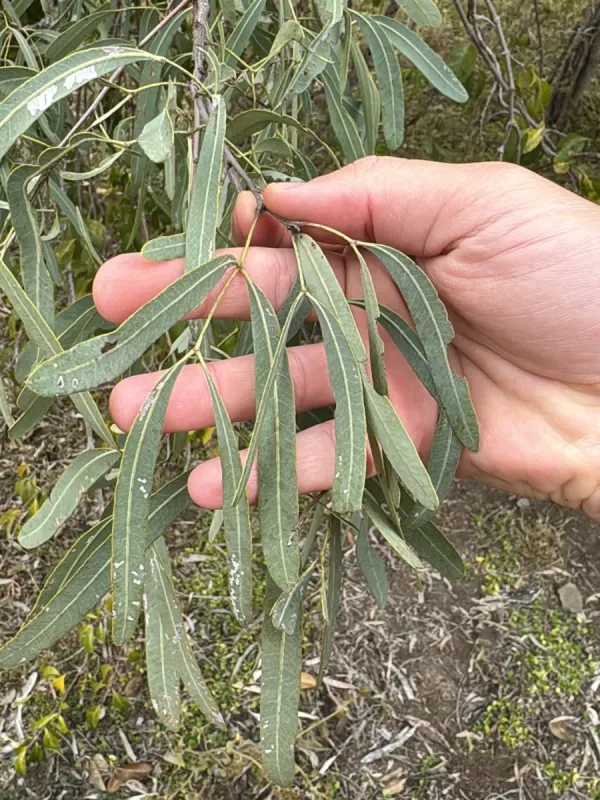
Description
Sowing dates
Atalaya hemiglauca, commonly known as Cattle Bush, is a native Australian species that naturally propagates through winged seeds. In agricultural settings, collecting mature seeds from the tree is the primary method for propagation, typically timed with the fruit's browning phase.
Successful germination requires a well-draining potting mix, ideally composed of sand and a small amount of organic material. Seeds should be sown at a shallow depth to ensure proper emergence and light exposure during the initial growth stages.
For nursery management, maintaining a temperature range between 20°C and 25°C is crucial to mimic the natural climate of the arid inland regions. Consistent but light watering is necessary to prevent the seeds from drying out while avoiding waterlogging.
Seedlings are best kept in a sheltered environment for the first year to build robust root systems. Protecting the young plants from extreme frost or excessive sun exposure during this nursery phase significantly increases their survival rate upon transplantation.
Once the saplings reach an adequate height, they are ready for planting in their permanent location. Proper spacing is important to ensure each tree receives enough sunlight and ground nutrients to reach maturity without intense competition.
Growing requirements
This species belongs to the Sapindaceae family and is highly adapted to the harsh conditions of Australia's semi-arid zones. It thrives in various soil types, ranging from sandy loam to heavy clay, demonstrating remarkable versatility in nutrient-poor environments.
The plant is highly drought-tolerant, utilizing a deep root system to tap into sub-soil moisture during extended dry spells. It requires full sun exposure and generally performs poorly in shaded or high-humidity environments.
It is capable of tolerating a wide pH range, though it prefers well-drained, slightly alkaline or neutral soils. Unlike traditional agricultural crops, Atalaya hemiglauca requires minimal to no fertilizer, as it is evolved to extract limited resources efficiently.
Climate adaptability is one of the key strengths of this species, allowing it to withstand high heat and persistent dry winds. It serves as an excellent windbreak in exposed rural areas where more sensitive crops would struggle to survive.
The trees require minimal human intervention once established, making them a low-maintenance option for land reclamation or agroforestry projects. Adequate spacing between individuals is the only significant management requirement for long-term stability.
Yield
In the agricultural sector, Atalaya hemiglauca is primarily valued as a fodder species. Its foliage remains green during periods of drought, providing a crucial emergency food source for cattle and sheep when pasture grasses are depleted.
While the tree is not typically harvested for commercial wood, its timber is tough and sometimes used for local, small-scale utility purposes. The wood's durability makes it useful for fence posts or as a stable fuel source in remote regions.
The species also contributes to ecosystem services by fixing soil and reducing erosion on degraded landscapes. Its contribution to the agricultural economy is best measured by the livestock it supports and the land degradation it prevents.
Research into the secondary metabolites of the plant suggests potential uses in pharmacological studies, though this remains an emerging field. As such, the commercial yield of active compounds is currently of limited scale.
The long-term yield of such a plant is measured in terms of environmental stability and the sustained carrying capacity of the land. By maintaining soil health and providing cover, the tree supports the broader productivity of the ranching environment.
Main diseases and pests
The primary threat to Atalaya hemiglauca populations is overgrazing by domestic livestock, which targets the young, palatable seedlings before they can establish. This lack of natural recruitment threatens the long-term viability of native stands.
Insect pests, particularly leaf-chewing beetles, can cause localized damage, though these outbreaks are usually controlled by natural predators. Significant economic damage from pests is rarely reported under natural, low-density growth conditions.
Fungal pathogens affecting the roots can become a problem if the trees are planted in sites that become waterlogged or suffer from excessive moisture. Good site selection remains the most effective form of disease management for this species.
Competition from invasive plant species can hinder the growth of young Atalaya trees, as they grow relatively slowly in their early stages. Clearing competitive weeds around new plantations is essential for successful establishment.
While the species is adapted to fire, intense and frequent wildfires can kill the trees before they reach reproductive maturity. Managing fire regimes in grazing areas is critical to protecting these valuable drought-resistant resources.