
Allophylus edulis
Allophylus edulis
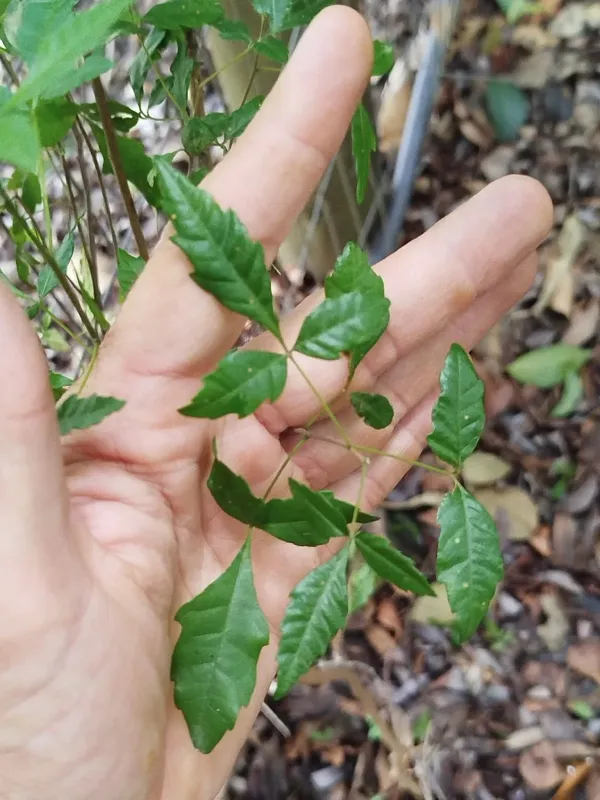
Description
Growing requirements
Allophylus edulis is an evergreen tree or shrub belonging to the Sapindaceae family. It is native to tropical and subtropical regions of South America, including parts of Argentina, Brazil, and Paraguay.
The plant thrives in warm climates and prefers locations with abundant sunlight, although it can tolerate partial shade in its natural habitat under the canopy.
It requires fertile, well-drained soil with a slightly acidic to neutral pH. Proper soil moisture is critical; while it likes water, the root zone must not become waterlogged.
Temperature requirements are stringent, as the plant is not frost-tolerant. In cooler latitudes, it must be grown in greenhouses or as a potted plant kept indoors during winter.
General maintenance includes regular pruning to manage crown size and encourage airflow, which is vital for preventing humidity-related issues in dense foliage.
Yield
The fruits of Allophylus edulis are small, spherical drupes that develop in dense clusters. They turn a vibrant red when fully ripe, making the tree visually appealing.
The fruit is sweet and juicy, containing essential vitamins and antioxidants. It is commonly eaten fresh by locals and is also used in the preparation of jams, jellies, and fermented drinks.
Yields are typically substantial once the tree reaches maturity, although the exact amount depends on climate conditions, soil fertility, and pollinator activity.
The plant is highly valued for its ecological role, providing food for birds and beneficial insects, which helps maintain the surrounding ecosystem's health.
Because the fruits are highly perishable, they are not typically exported fresh; instead, they are consumed locally or processed immediately after harvest.
Main diseases and pests
The primary threats to this species include various fungal pathogens that thrive in high-humidity environments, potentially causing leaf spot or fruit rot.
Insect pests, such as aphids and leaf-eating beetles, can affect the vitality of young plants and cause significant damage to new terminal growth.
Good agricultural practices, such as maintaining appropriate planting density and avoiding excessive overhead irrigation, significantly reduce the risk of infection.
Regular monitoring of the foliage and shoots allows for the early detection of pests, facilitating localized control rather than broad-spectrum chemical use.
Root health is equally important; ensuring good drainage is the best defense against soil-borne pathogens that can weaken the tree's immune system.
Harvesting
Harvesting is performed when the fruits have achieved a deep red color and possess a soft, yielding texture, indicating maximum sugar content.
Hand-picking the entire clusters is the standard method, ensuring the delicate skin of the fruit remains intact and free from mechanical bruising.
Since the fruits on a single cluster do not ripen simultaneously, producers often schedule multiple harvest rounds to capture the peak quality of the fruit.
Post-harvest handling is critical due to the fruit's short shelf life. It should be kept in cool, shaded, and well-ventilated conditions to prevent rapid fermentation.
Shipping of the fresh produce is limited to short distances using light, well-ventilated containers to preserve the delicate nature of the harvest.