
Allophylus crassinervis
Allophylus crassinervis
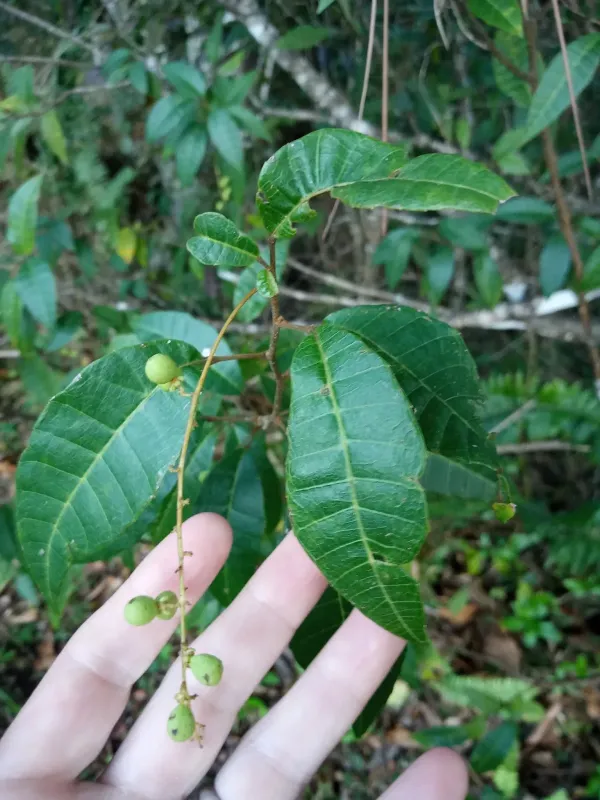
Description
Growing requirements
Allophylus crassinervis is a shrubby or arboreal species belonging to the Sapindaceae family. Native to the tropical environments of South America, this plant is well-adapted to high-humidity forest zones and provides valuable biological resources.
Climate requirements for this culture are strict: it thrives in warm, stable tropical conditions. Temperatures should ideally range between 22 and 28 degrees Celsius, as the plant is highly sensitive to cold spells and frosts, which can cause significant tissue damage.
The plant requires fertile, well-drained soil with a slightly acidic to neutral pH level. High levels of organic matter are preferred to support its fast growth rate and foliage density, which is characterized by prominently veined, leathery leaves.
Agronomic management includes regular irrigation and the maintenance of constant soil moisture. While the plant can tolerate partial shade, optimal growth occurs in areas where it receives filtered sunlight, characteristic of the forest understory or managed agroforestry systems.
Botanically, it is a sturdy species that forms woody stems. Its ability to thrive in tropical climates makes it a notable candidate for diversification in regions with stable, frost-free weather patterns.
Yield
The economic value of Allophylus crassinervis lies in its fruit production. Yield performance is heavily dependent on tree maturity, canopy management, and the availability of sufficient nutrients during the flowering and fruit-set stages.
Harvesting is typically labor-intensive due to the uneven ripening of the fruits. Producers must implement systematic picking schedules to ensure that fruits are collected at the peak of their quality before they become overripe or succumb to fermentation.
Standard agronomic practices suggest that pruning is essential to maintain tree height and improve accessibility for harvesters. By thinning the inner branches, producers can increase air circulation, which helps reduce the risk of localized disease outbreaks.
The use of balanced fertilizer programs, specifically those focusing on phosphorus and potassium, has been shown to improve fruit size and weight. Consistent water management during the dry season is also critical for maintaining plant vigor.
Post-harvest handling requires immediate cooling or processing, as the fruits have a short shelf life in tropical heat. Developing local processing capabilities can significantly increase the value-added potential of the harvested yield.
Main diseases and pests
The primary threats to this culture include fungal pathogens, such as leaf spot and mildew, which thrive in the high-humidity environments where the plant is grown. Prevention involves maintaining good hygiene and managing canopy density.
Insects like aphids, scales, and various leaf-eating beetles can cause significant damage to young shoots and leaves. Monitoring programs are essential to detect and manage these pest populations before they impact the overall plant health.
Root rot caused by poor soil drainage remains a major risk factor. Implementing raised beds or ensuring appropriate soil structure is vital to prevent root suffocation, especially during periods of heavy rainfall.
Nematode infestations in sandy soil conditions can weaken the plant's root system, making it more susceptible to environmental stress. Integrating biological control agents and organic soil amendments can help mitigate these soil-borne threats.
- Regular pruning to improve air circulation and light penetration.
- Monitoring systems for early detection of foliage-feeding insects.
- Drip irrigation to maintain optimal soil moisture without saturation.