
Allophylus cominia
Allophylus cominia
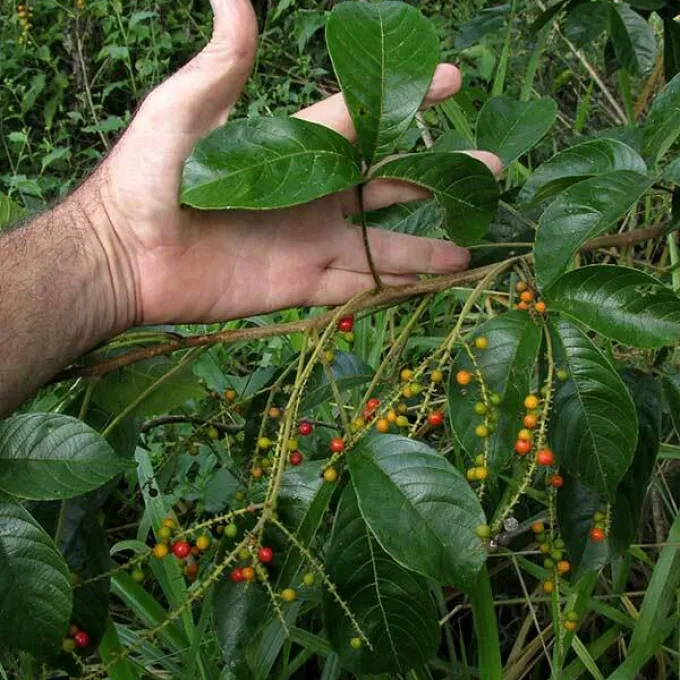
Description
Growing requirements
Allophylus cominia is a woody plant species belonging to the Sapindaceae family. It typically grows as a large evergreen shrub or a small tree, characterized by its resilient foliage and adaptability to specific tropical island environments.
Native to the Caribbean region, including islands such as Cuba, Jamaica, and Puerto Rico, this species is well-adapted to limestone-rich soils. Its natural habitat includes coastal forests and thickets where it thrives in warm, humid conditions.
Cultivation requires a frost-free climate with consistent sunshine. It is highly suited for tropical landscapes where heat stress is not a limiting factor, provided that the soil is kept well-drained to prevent root rot in heavier soil textures.
In terms of agricultural management, regular pruning helps maintain a desired shape, especially when grown as an ornamental. The plant responds well to moderate fertilization, focusing on micronutrients that support robust vegetative growth in alkaline soils.
The ecological importance of the species is notable, as its fruits serve as a critical food source for various bird species in its native range. Furthermore, historical uses include its application in traditional medicine, although such practices remain localized and dependent on regional ethnobotanical knowledge.