
Allophylus cobbe
Allophylus cobbe
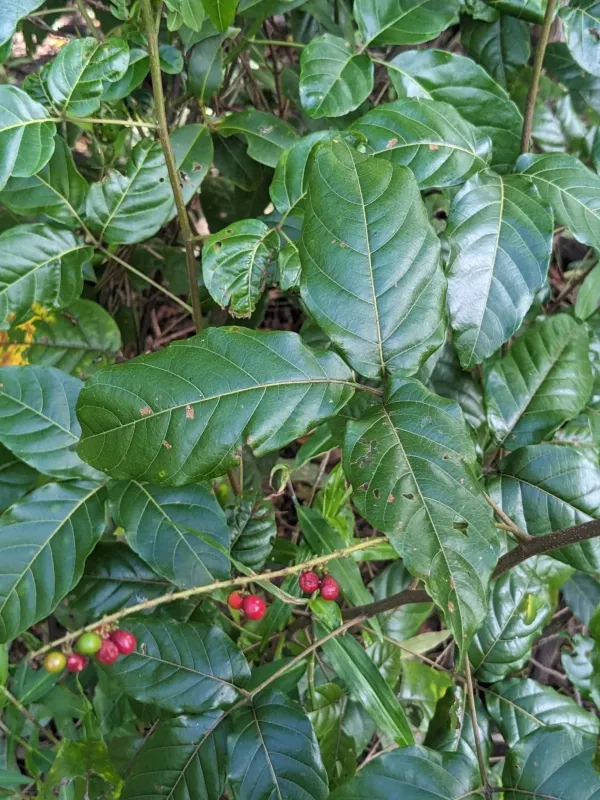
Description
Growing requirements
Allophylus cobbe is a robust evergreen shrub or small tree belonging to the soapberry family, Sapindaceae. Native to the tropical regions of Asia, including India and the Philippines, this species has adapted to diverse ecological niches ranging from coastal forests to tropical hillsides.
The cultivation of this plant requires a humid tropical environment with ample sunshine. It thrives best in well-draining soils that are rich in organic matter, although it shows remarkable resilience to various soil types, provided that the drainage remains efficient to prevent root rot.
Botanically, the plant is recognized by its trifoliate leaves and small clusters of flowers that develop into brightly colored red or orange drupes. These fruits serve as a critical food source for local avian populations, facilitating natural seed dispersal in their native habitats.
Historically, Allophylus cobbe has been utilized in indigenous medical practices for its various therapeutic properties. Extracts from the leaves and roots are often employed in traditional preparations for their antiseptic and soothing effects on skin wounds and inflammation.
Agrotechnical management involves consistent watering schedules, particularly during establishment, and occasional fertilization to support vigorous vegetative growth. Periodic pruning is recommended to maintain a neat habit and to improve the overall health of the shrub.
Main diseases and pests
The primary pests affecting this species in tropical plantations include scale insects and mealybugs, which can cause leaf yellowing and stunted growth. Integrated pest management strategies, such as physical removal or the use of neem-based oils, are typically effective.
Fungal pathogens may cause leaf spot or blight if the plant is grown in overly humid, stagnant air conditions. Maintaining adequate plant spacing and ensuring good airflow around the canopy are the most effective preventative measures against these diseases.