
Allophylus borbonicus
Allophylus borbonicus
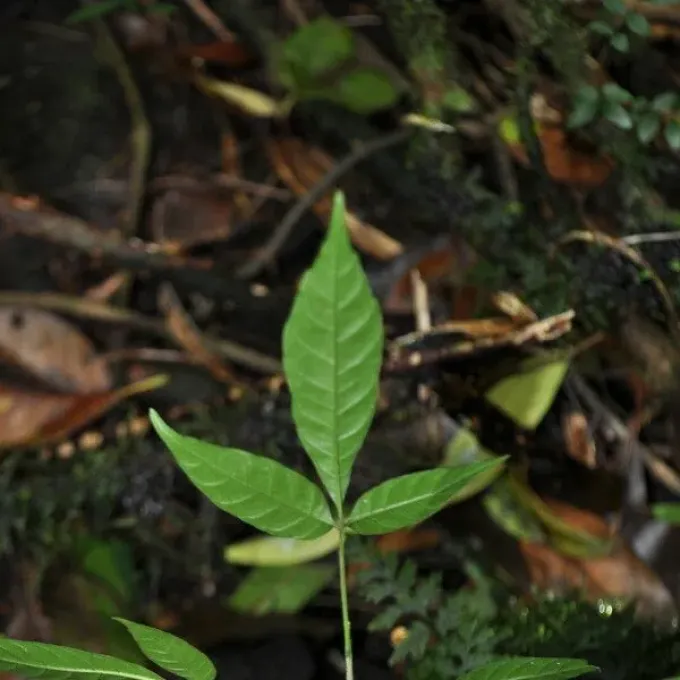
Description
Growing requirements
Allophylus borbonicus is a perennial woody plant belonging to the Sapindaceae family. It is native to the Mascarene Islands, including Reunion and Mauritius, where it thrives in specific tropical niches.
The plant requires a warm, humid tropical environment to reach its full potential, avoiding any exposure to frost or prolonged chilly temperatures.
Cultivation success depends on high-quality, well-draining soil that provides essential nutrients while preventing water stagnation around the root zone.
In terms of light exposure, this species prefers locations with bright, filtered sunlight, which mimics its natural habitat under the forest canopy or at the edge of coastal forests.
Adequate spacing between individual plants is necessary to ensure proper airflow and to maximize the light absorption for each specimen during its growth stages.
Main diseases and pests
Invasive species represent a significant threat to Allophylus borbonicus, as they aggressively compete for limited nutrients and light in its native ecosystem.
Insect pests such as scale insects and aphids often target young saplings, potentially causing stunted growth and reducing the overall vigor of the plant.
Fungal infections, often triggered by excessive rainfall and lack of air circulation, can lead to foliage spotting or serious root health problems.
Habitat loss due to human activity and environmental changes poses a long-term risk to the stability of wild populations of this species.
Regular inspection and proactive maintenance, such as proper pruning and monitoring of soil moisture, are essential to manage potential threats effectively.