
California buckeye
Aesculus californica
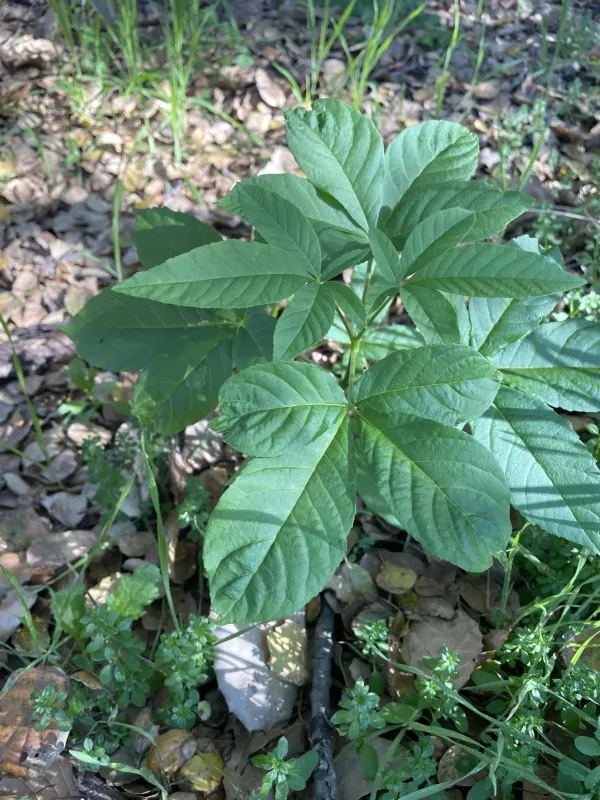
Description
Growing requirements
The California buckeye (Aesculus californica) belongs to the Sapindaceae family. It is a deciduous shrub or small tree native to California, perfectly adapted to a Mediterranean climate with distinct wet winters and hot, dry summers.
This species thrives in well-drained soils, showing remarkable tolerance for rocky, sandy, or heavy clay substrates. It is widely recognized for its high drought tolerance, making it an excellent choice for low-water landscapes.
Optimal growth occurs in full sun locations, although the tree can tolerate partial shade. Its ability to thrive in poor soils makes it an ecologically important plant in regions where soil fertility is relatively low.
One of the most notable biological traits is its summer dormancy. In response to extreme heat and lack of water, the tree drops its leaves to conserve moisture, which is a natural defense mechanism rather than a sign of illness.
Agricultural management is minimal once the tree is established. Regular irrigation is necessary only during the early growth stages to ensure the development of a robust root system capable of deep water extraction.
Main diseases and pests
Common plant health issues include fungal diseases such as leaf spots and root rots. These are usually associated with excessive soil moisture or poor air circulation, particularly in humid or stagnant conditions.
Pests like spider mites and various leaf-chewing insects can affect the foliage during periods of low humidity. Integrated pest management, focusing on biological controls, is recommended to preserve the tree's vigor.
Sanitary pruning is a critical practice to maintain the health of the California buckeye. Removing dead, damaged, or crowded branches promotes better air movement through the canopy, reducing the risk of fungal outbreaks.
Avoiding chemical herbicides around the base of the tree is essential, as the root system is sensitive to soil disturbances and chemical applications that may alter the mycorrhizal balance.
Effective hygiene practices, such as removing debris and leaf litter under the canopy, prevent the overwintering of pests and pathogens, ensuring a healthier growing season each year.