
Acer tonkinense
Acer tonkinense
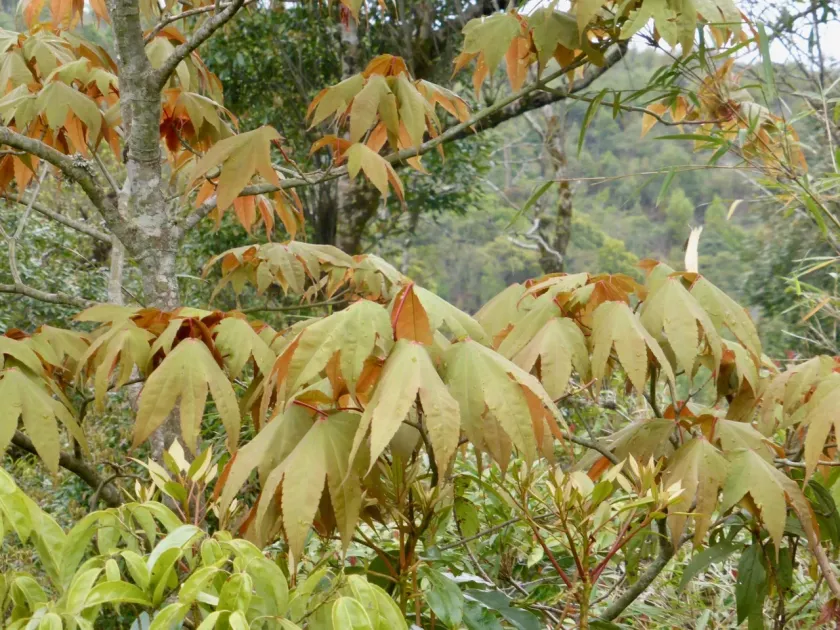
Description
Growing requirements
Acer tonkinense is a distinguished species within the Sapindaceae family, native to the mountainous forests of Vietnam and Southern China. This deciduous tree is prized by botanists and collectors for its elegant foliage and unique growth pattern characteristic of subtropical environments.
Botanically, it features palmately lobed leaves that often display a striking bronze or reddish hue during the early stages of development. The tree maintains a graceful, often spreading habit, reaching moderate heights which makes it suitable for ornamental applications in diverse garden settings.
The cultivation of Acer tonkinense requires fertile, well-draining soil that is rich in organic matter. A slightly acidic to neutral soil pH is ideal for ensuring nutrient availability, while proper drainage is essential to protect the root system from waterlogging and potential decay.
Climatic requirements focus on protection from harsh, dry winds and direct, scorching sunlight during mid-day. Ideally, the species should be planted in a location that receives partial shade, providing the filtered light that helps maintain the vibrant color of its foliage throughout the growing season.
In landscape architecture, Acer tonkinense serves as an excellent specimen tree or a focal point in woodland gardens. Its ability to respond well to careful structural pruning allows gardeners to highlight its natural beauty while managing its size according to specific design needs.
Main diseases and pests
The primary threats to Acer tonkinense include various fungal pathogens that thrive in high-humidity conditions, often manifesting as leaf spot or powdery mildew, which can significantly detract from the tree's visual appeal if left unmanaged.
Insect pests, such as aphids and spider mites, represent a common challenge, especially during periods of prolonged drought. These pests feed on the nutrient-rich sap of young leaves and shoots, potentially leading to wilting and stunted overall growth.
Effective management involves regular inspection of the tree canopy to detect early signs of infestation or disease. Pruning away infected branches and ensuring adequate spacing between plants can greatly improve airflow and reduce the incidence of fungal spores.
Integrated pest management strategies should be employed, prioritizing biological controls and horticultural oils before resorting to systemic insecticides to minimize the impact on the beneficial insect population.
Maintaining tree vigor through appropriate fertilization and consistent watering is the best defense against environmental stress, ensuring that the plant remains resilient against potential biotic and abiotic attacks.