
Acer tenuifolium
Acer tenuifolium
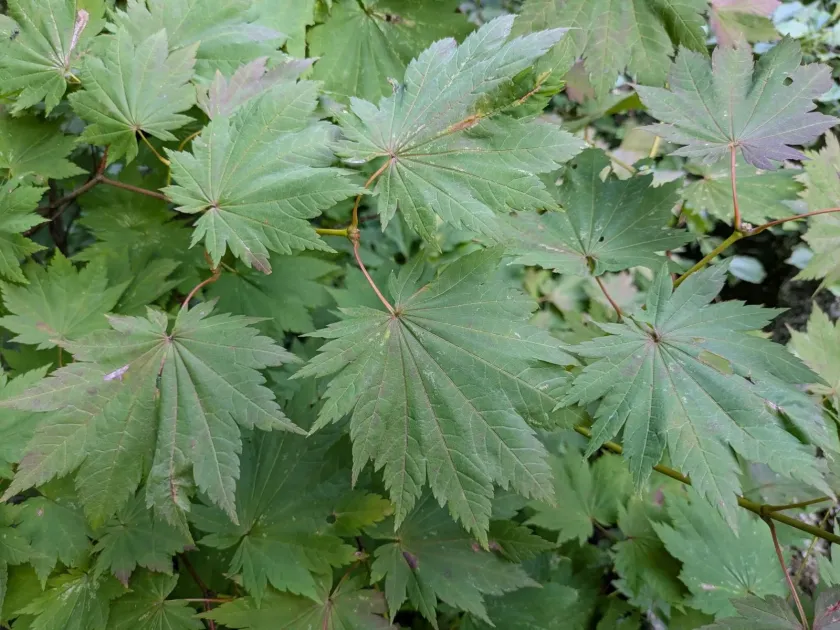
Description
Growing requirements
Acer tenuifolium belongs to the Sapindaceae family. This species is known for its elegant, thin-textured leaves that provide a distinct ornamental appearance, making it a valuable addition to various landscapes and botanical collections.
Native to the mountainous regions of East Asia, this maple species thrives in cool, sheltered environments. It is typically found in understory settings, which indicates a natural preference for dappled sunlight and protection from intense mid-day heat.
The cultural requirements for this plant include well-drained, nutrient-rich soils that are slightly acidic. It is essential to maintain a consistent level of soil moisture while ensuring that the root system is never waterlogged, which could lead to root rot.
Climate preferences involve high atmospheric humidity and mild temperatures. While the tree is hardy, it benefits from protection against strong, desiccating winds that can damage the delicate foliage, especially in the spring and early summer months.
Cultivation practices involve regular organic mulching to maintain soil temperature and moisture. Fertilization should be kept at a moderate level, focusing on slow-release fertilizers applied in early spring before the buds begin to swell.
Main diseases and pests
Common threats to Acer tenuifolium include fungal pathogens, particularly verticillium wilt, which can affect the vascular system of the tree. Providing adequate spacing and ensuring good air circulation around the canopy is critical for preventing these diseases.
Insect pests such as aphids and scale insects may target new growth during the spring. Monitoring is essential, and horticultural oils or systemic insecticides may be employed to manage these pests and maintain the structural integrity of the plant.