
Red-veined maple
Acer rufinerve
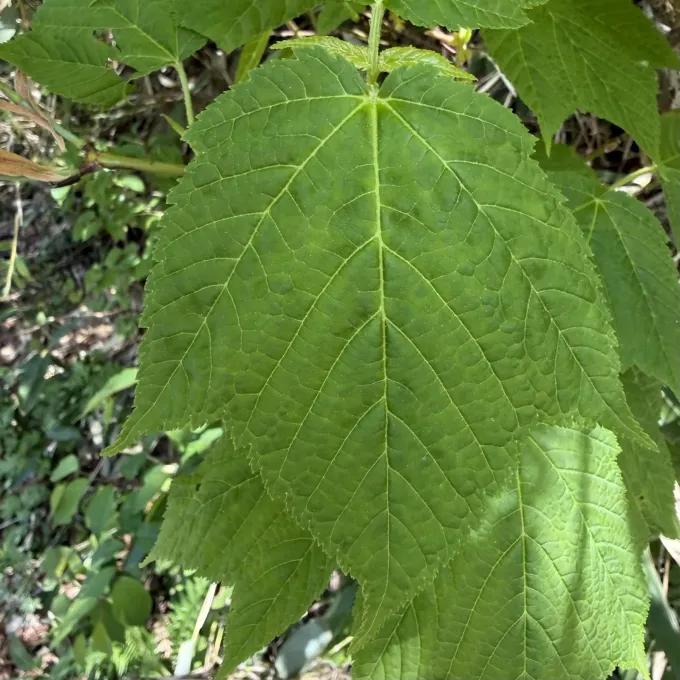
Description
Growing requirements
The Red-veined maple (Acer rufinerve) belongs to the Sapindaceae family. It is a deciduous tree native to the mountain forests of Japan, known for its distinct bark patterns and colorful foliage.
This species thrives in moist, well-drained, and nutrient-rich soils. It performs best in soils with a slightly acidic to neutral pH, which supports optimal root development and nutrient uptake.
In terms of location, the plant prefers dappled shade or partial sun. Exposure to harsh afternoon sunlight, especially in warmer climates, can cause leaf scorch, particularly in younger specimens.
Maintenance requires consistent watering to ensure the soil remains moist but not waterlogged. Mulching the root zone is highly recommended to regulate temperature and conserve essential soil moisture.
Pruning should be minimized and focused mainly on removing dead or diseased wood. The best time for light structural pruning is late winter or very early spring before the buds begin to swell.
Main diseases and pests
Verticillium wilt is a significant threat to Acer rufinerve, typically affecting trees planted in poorly drained soils. The disease causes branches to die back suddenly, often leading to decline.
Powdery mildew may occur in stagnant, humid environments where there is insufficient airflow within the canopy. Improving ventilation through careful pruning can significantly reduce this risk.
Pests such as scale insects and aphids can infest the bark and young shoots, weakening the plant. Regular monitoring during the growing season allows for early intervention before damage becomes severe.
Leaf-eating caterpillars may occasionally cause aesthetic damage. While usually not fatal to a healthy tree, they can be controlled through manual removal or biological treatments if the infestation is heavy.
The key to plant health lies in cultural practices: selecting the right site, ensuring proper drainage, and avoiding mechanical damage to the trunk and root system during maintenance.