
Blunt-leaved maple
Acer obtusifolium
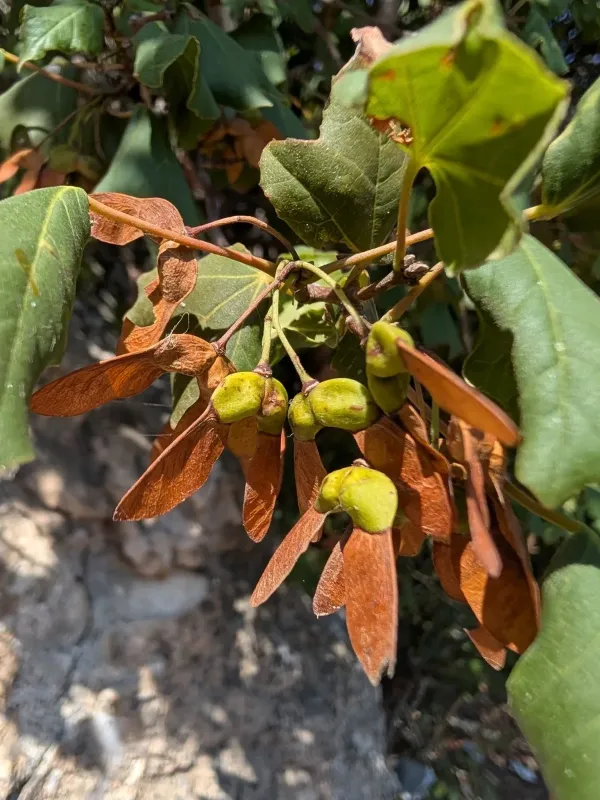
Description
Growing requirements
Acer obtusifolium, commonly known as the blunt-leaved maple, belongs to the Sapindaceae family. Native to the Eastern Mediterranean, this hardy species is naturally adapted to rocky terrains and high altitudes in regions such as Lebanon and Turkey.
The tree exhibits remarkable physiological adaptations to arid environments, making it an excellent candidate for xeriscaping and reforestation projects in semi-dry climates. It requires full sunlight exposure to maintain its characteristic compact crown structure.
Regarding soil, the species thrives in well-drained, neutral to alkaline substrates. While it can tolerate nutrient-poor rocky soils, providing optimal aeration is essential to prevent root asphyxiation during the wet winter months.
Botanical traits include small, leathery leaves and a slow to moderate growth rate, which allows the tree to conserve resources effectively. Its ability to tolerate low-moisture conditions stems from its specific leaf morphology, which minimizes transpiration rates.
In terms of utility, Acer obtusifolium is valued for its hard, high-quality wood and its aesthetic contribution to Mediterranean-style gardens. It also plays a vital ecological role by providing early spring nectar for local pollinators.
Main diseases and pests
Fungal diseases such as powdery mildew represent the primary threat to foliage health, particularly in areas with high humidity or poor air circulation. Proper spacing between trees is recommended to facilitate natural drying.
Common maple pests like aphids and scale insects can impact sapling vigor if left untreated. Integrated pest management, involving the use of horticultural oils or systemic insecticides, is effective when outbreaks occur.
Root rot is a critical risk associated with waterlogged conditions. Ensuring a professional-grade drainage system during the planting phase is the most effective preventative measure against soil-borne pathogens.
Environmental stress, such as extreme heat coupled with prolonged drought, may cause premature leaf drop. Supplying occasional deep irrigation during critical growth stages helps maintain overall tree vigor.
Bark damage from rodents or mechanical impact must be addressed promptly, as wounds can invite wood-boring insects. Protecting the trunk base with tree guards is a standard practice for maintaining the longevity of young specimens.