
Henry's Maple
Acer henryi
Description
Growing requirements
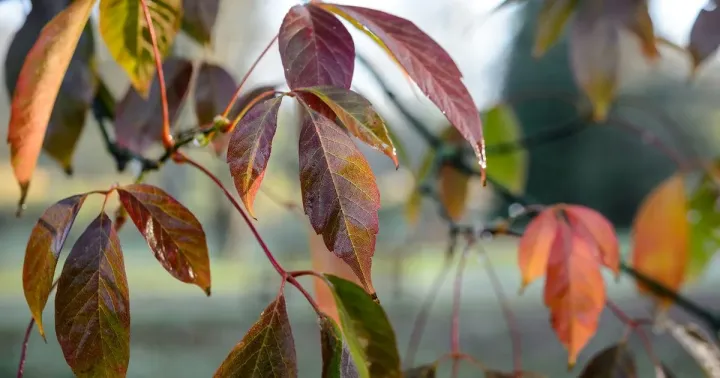
Henry's Maple (Acer henryi) is a rare deciduous tree species belonging to the Sapindaceae family. It is native to central and eastern China, where it primarily inhabits mountainous forest regions with temperate climates.
The tree thrives in fertile, well-drained loamy soils. It prefers a pH level that ranges from slightly acidic to neutral. Ensuring proper drainage is essential, as the species is highly sensitive to waterlogged conditions that can cause root decay.
In terms of light exposure, this maple favors partial shade or dappled sunlight. Providing protection from intense midday sun is critical for maintaining the health of the foliage and preventing heat stress during peak summer months.
This species is generally suitable for USDA hardiness zones 6 through 7. In areas with harsher winters, young specimens should be protected with organic mulch and burlap wraps to prevent winter kill caused by sudden temperature fluctuations.
Maintenance includes consistent watering during dry spells, especially during the establishment phase. Applying a layer of organic mulch around the base helps preserve soil moisture and provides essential nutrients as it decomposes over time.
Main diseases and pests
Like many maple species, Henry's Maple can be susceptible to fungal diseases such as powdery mildew and leaf spot. These issues typically manifest in environments with poor air circulation and high humidity around the canopy.
Pests that may affect the tree include aphids and leaf-rolling insects. These pests feed on the nutrient-rich sap of fresh leaves, which can lead to stunted growth and foliage curling if an infestation is left untreated.
Regular sanitation of the area surrounding the tree is vital. Clearing fallen leaves and debris reduces the risk of overwintering fungal spores, which can re-infect the tree during the following spring growing season.
Integrated pest management strategies should be applied when signs of damage appear. The use of horticultural oils or gentle insecticides is often sufficient to control minor pest outbreaks without harming the tree's health.
Pruning should be performed during the dormant season to minimize sap loss. Removing overcrowded branches improves airflow throughout the canopy, which is a primary defense mechanism against both fungal infections and various insect pests.