
Divergent maple
Acer divergens
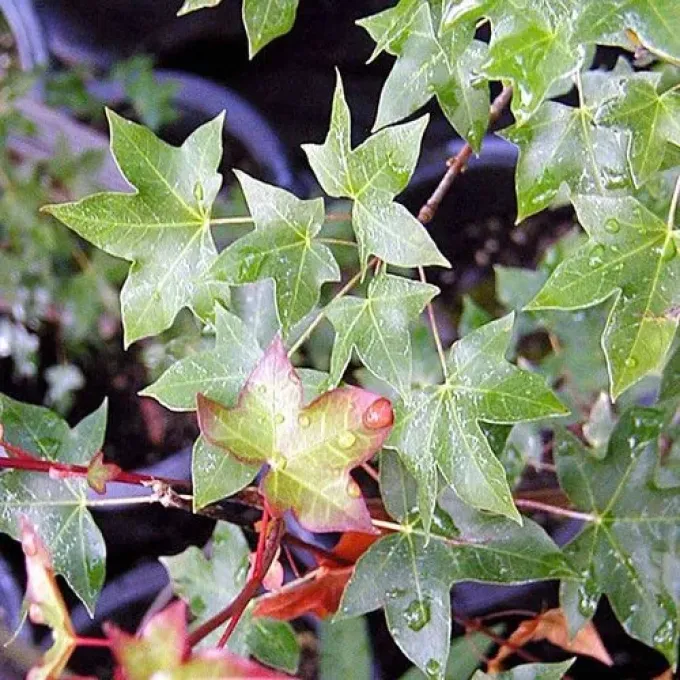
Description
Growing requirements
Divergent maple (Acer divergens) is a unique deciduous tree species belonging to the Sapindaceae family. It is native to the mountainous regions of the Caucasus, where it thrives in specific ecological niches within woodland environments.
The cultural requirements of Acer divergens involve well-drained, nutrient-rich soils. While it can adapt to various soil types, loamy textures with sufficient organic content provide the best substrate for healthy root development and overall vitality.
Regarding climatic needs, this species is well-adapted to moderate mountain climates characterized by cool summers and sufficient moisture levels. It possesses a high degree of cold tolerance, reflecting its natural habitat as a hardy mountain resident.
Agrotechnical management includes regular irrigation during the initial establishment phase and the implementation of mulching techniques to preserve soil moisture. The tree prefers sheltered locations that provide protection from drying winds and harsh direct afternoon sun.
In terms of хозяйственное (economic) utilization, this maple is primarily valued as an ornamental specimen in botanical collections and sustainable landscape projects. Its ecological resilience makes it a subject of interest for reforestation efforts in challenging mountainous terrains.
Main diseases and pests
Powdery mildew represents a primary fungal threat for Acer divergens, particularly in regions with high humidity levels and poor ventilation within the tree canopy. Preventive fungicide applications are recommended during high-risk seasons.
Common pests affecting this species include various aphids and leaf-eating insects. These pests can cause chlorosis or deformation of the foliage, necessitating integrated pest management strategies to protect the tree’s aesthetic value.
Root rot remains a concern, often linked to improper drainage or chronic overwatering. Maintaining a balanced soil moisture regime is essential to ensure the longevity of the plant and prevent soil-borne pathogen outbreaks.
Bark damage caused by mechanical trauma or environmental stress can invite opportunistic pests and infections. Proper maintenance, including clean cultivation around the base and surgical cleaning of any damaged wood, is vital for tree health.
Regular monitoring of the canopy and soil conditions is the most effective approach to managing these threats, allowing for early detection of issues before they negatively impact the health of the tree.