
Dieck maple
Acer dieckii
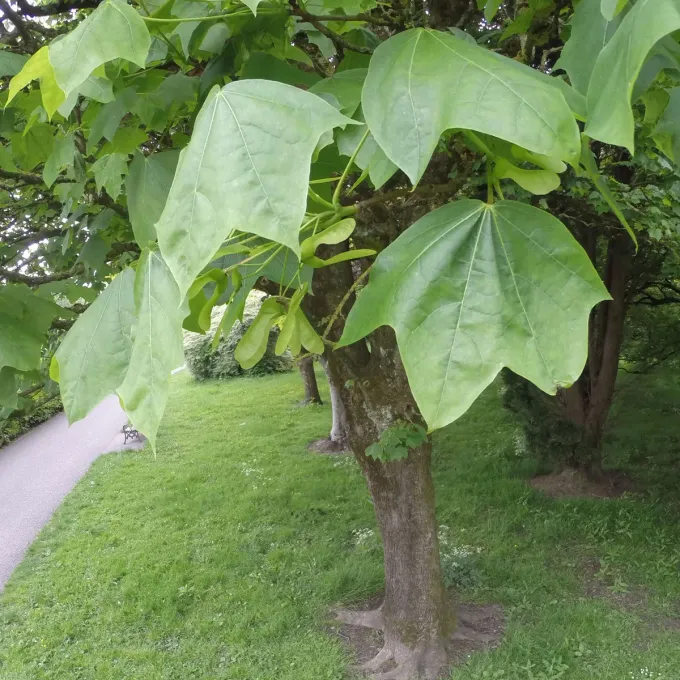
Description
Growing requirements
Dieck maple (Acer dieckii) is a distinct tree species within the Sapindaceae family, known for its specific botanical characteristics and foliage structure. It is a highly valued ornamental tree often used in specialized forestry and landscaping projects across temperate regions.
Successful cultivation requires fertile, well-drained loamy soils. The species is sensitive to waterlogging, so site selection should prioritize areas with adequate natural drainage to prevent root hypoxia and subsequent decline in tree vigor during the active growing season.
The climate requirements for Acer dieckii are centered around temperate conditions with well-defined seasonal changes. It performs best in full sunlight to partial shade, allowing the tree to develop its characteristic canopy shape while maintaining optimal photosynthetic rates.
Agrotechnical practices involve yearly maintenance including organic mulching and soil aeration. Providing essential nutrients through balanced NPK fertilizers in early spring is crucial for young trees to establish a robust root system and reach their full growth potential within a few years.
Economically, the Dieck maple is significant for urban landscaping and high-end horticultural applications. Its aesthetic appeal, combined with a relatively straightforward maintenance profile, makes it a favored choice among professional arborists and city planners seeking durable tree species.
Main diseases and pests
Pathogens, specifically powdery mildew and leaf spot fungi, represent the most frequent threats to this species. Preventive measures include ensuring good air circulation within the canopy and applying appropriate antifungal treatments during periods of high atmospheric humidity.
Insect pests, such as aphids and wood-boring beetles, can pose a risk if the tree's physiological status is weakened by environmental stress. Regular inspections during the peak pest activity period are essential for identifying infestations early and implementing targeted control strategies.