
Leather-leaf maple
Acer coriaceifolium
Description
Growing requirements
The Leather-leaf maple (Acer coriaceifolium) belongs to the Sapindaceae family. It is a distinctive species known for its thick, leathery leaves, native to the evergreen forests of central and southern China.
This species thrives in mild, humid climates and is sensitive to frost, making it suitable for temperate regions only with adequate protection. It prefers locations that provide shelter from drying winds and strong winter sun.
For optimal growth, it requires deep, nutrient-rich soil with excellent drainage. While it appreciates moisture, it will not tolerate waterlogged conditions, which can lead to rapid root decay and plant decline.
Cultural practices include consistent watering during the growing season and the application of a thick organic mulch layer. This helps in maintaining soil temperature stability and moisture retention near the surface root system.
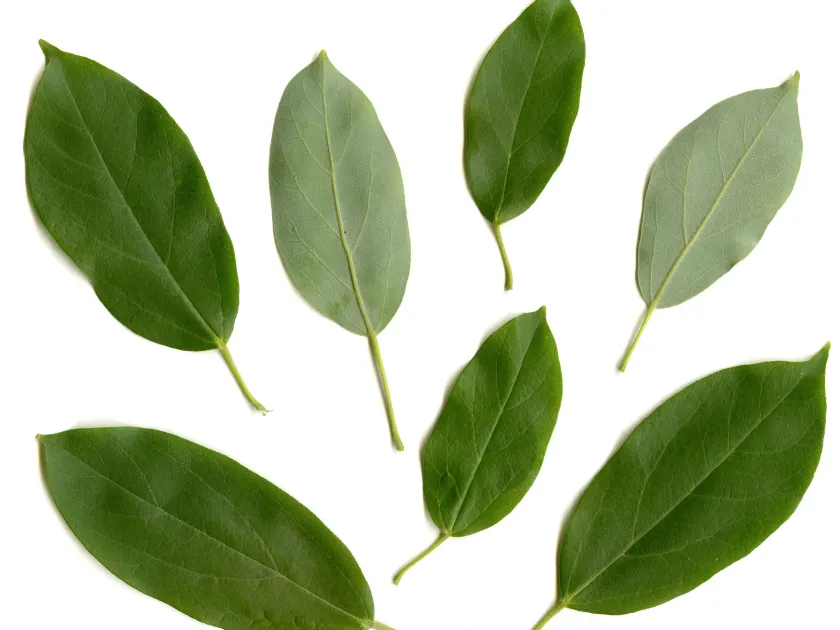
Botanically, this maple is highly valued for its elegant, lanceolate leaves and evergreen habit in native environments. Its unique appearance makes it a prized specimen for collectors and specialized arboretums focused on Asian flora.
Main diseases and pests
Verticillium wilt is one of the most severe diseases affecting the Leather-leaf maple, causing dieback in branches. There is no chemical cure for this fungus, so prevention through choosing disease-free planting sites is critical.
Aphid infestations are a common issue during the spring flush of growth, often leading to sooty mold accumulation. Horticultural soaps or oils can be used to control these pests without damaging the foliage.
Root rot, typically caused by Phytophthora, remains a constant threat in poorly drained soils. Improving soil structure through the addition of organic matter is the best strategy to mitigate this risk.
Scale insects can attach themselves to the twigs and stems, extracting plant sap and reducing overall vigor. Regular monitoring of the bark and manual removal or targeted treatment is recommended to prevent heavy infestation.
Winter desiccation is a major threat in cooler zones, as the evergreen leaves continue to lose moisture when the ground is frozen. Providing anti-transpirant sprays or physical winter protection is essential for survival.