
Campbell maple
Acer campbellii
Description
Growing requirements
Campbell maple (Acer campbellii) is a majestic deciduous tree belonging to the Sapindaceae family. Native to the high-altitude forests of the Himalayas, this species is naturally found in India, Nepal, Bhutan, and China, typically growing at elevations between 2,000 and 3,500 meters above sea level.
This culture requires specific environmental conditions to thrive, preferring a cool and moist climate. It is sensitive to extreme summer heat and direct, harsh sunlight, which is why in agricultural or horticultural settings, it is best placed in areas with light shade or filtered sunlight to protect the leaves.
For successful development, the tree demands deep, loose, and humus-rich soil with excellent drainage. While the species appreciates consistent soil moisture, waterlogging is detrimental and can easily lead to root rot. Therefore, selecting a well-drained site is the most critical step in its establishment.
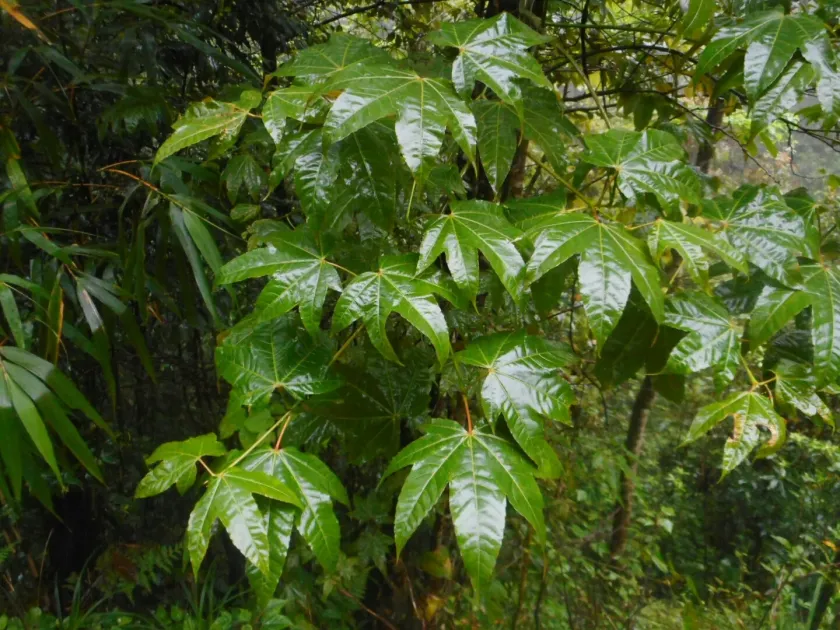
Botanically, Campbell maple is distinguished by its large, leathery 5- to 7-lobed leaves, which frequently display a reddish or copper tint when young. The tree produces attractive spring inflorescences followed by wind-dispersed samaras, contributing to its natural propagation in the wild.
The primary use of Campbell maple is in ornamental forestry and landscape design. Due to its impressive crown structure and beautiful autumnal foliage, it is a sought-after specimen for botanical gardens and large park landscapes that match its native cool, highland ecological niche.
Main diseases and pests
Like many species in the genus Acer, Campbell maple is susceptible to several fungal diseases, particularly powdery mildew and leaf spot. These pathogens usually flourish in high-humidity environments where airflow through the crown is restricted, leading to potential premature defoliation.
Insect pests represent a persistent threat to the plant's health. Aphids frequently infest young, succulent shoots, drawing out nutrients and weakening the tree. Similarly, spider mites can cause significant damage during dry, hot weather, leading to discolored and withered leaves.
Leaf-eating insects, including various types of caterpillars, can damage the tree's foliage, reducing its aesthetic value. In professional nurseries, integrated pest management practices are recommended to keep these populations under control without harming beneficial garden insects.
Root system issues, often caused by soil compaction or poor drainage, are significant stressors. When the soil remains excessively wet, the roots fail to breathe, making the entire tree more susceptible to secondary infections and long-term decline in vigor.
- Prune away diseased or dead wood to maintain crown health.
- Monitor the undersides of leaves for signs of spider mite activity.
- Ensure correct soil pH to prevent nutritional deficiencies like iron chlorosis.